Scanning international destination guides... Please wait
Dream Destinations
.jpg&w=3840&q=75)

United Kingdom
The United Kingdom is one of the world's top study-abroad destinations, home to some of the oldest and most globally recognized universities (Oxford, Cambridge, Imperial College London, UCL) alongside a huge range of modern, more accessible institutions across England, Scotland, Wales, and Northern Ireland. Most undergraduate degrees run 3 years and postgraduate Master's just 1 year, making the UK a relatively time- and cost-efficient route compared to some other destinations.


United States
The United States hosts the largest number of international students of any country, from Ivy League research universities to large public state schools and community colleges offering a lower-cost transfer pathway. The US system is highly decentralized — admission standards, costs, and student experience vary enormously by institution and state.
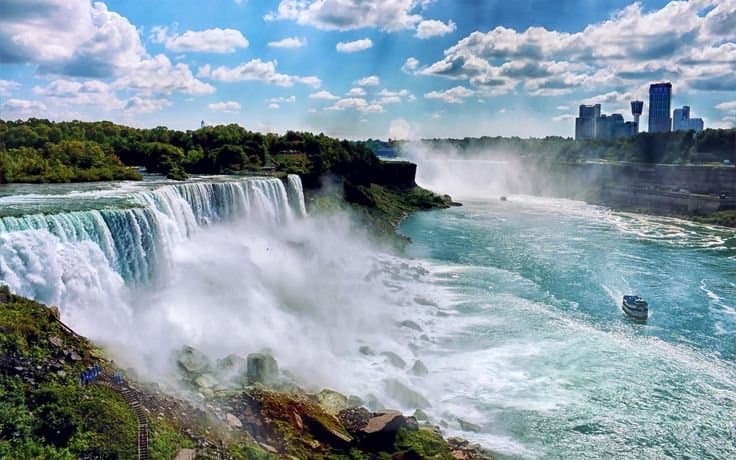

Canada
Canada is especially popular with South Asian students for its public college diploma pathway (often paired with a post-graduation work permit) alongside strong research universities like Toronto, UBC, and McGill. Canada's immigration-friendly reputation is a major draw distinct from the purely academic case for other destinations.


Australia
Australia's Group of Eight research universities (Melbourne, Sydney, ANU, UNSW, and others) sit alongside a large TAFE vocational-education sector, making it a flexible destination for both academic and vocational international students, with a strong post-study work rights framework.
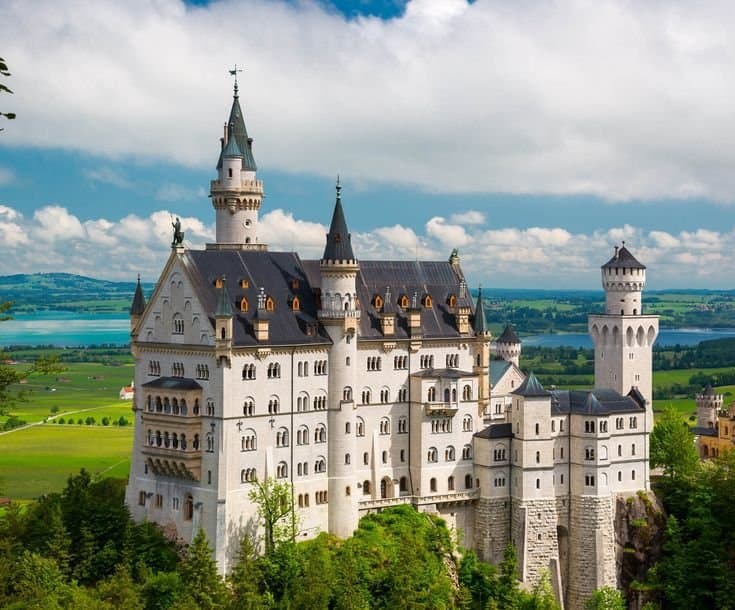

Germany
Germany is distinctive for its tuition-free (or very low-cost) public universities even for international students at many institutions, combined with world-class engineering and research programmes — a major draw for cost-conscious students who meet the German or English-language entry requirements.


Ireland
Ireland offers an English-speaking EU/European study destination with a growing international student population, anchored by Trinity College Dublin and University College Dublin, and a relatively generous post-study work visa (Stamp 1G) for graduates.
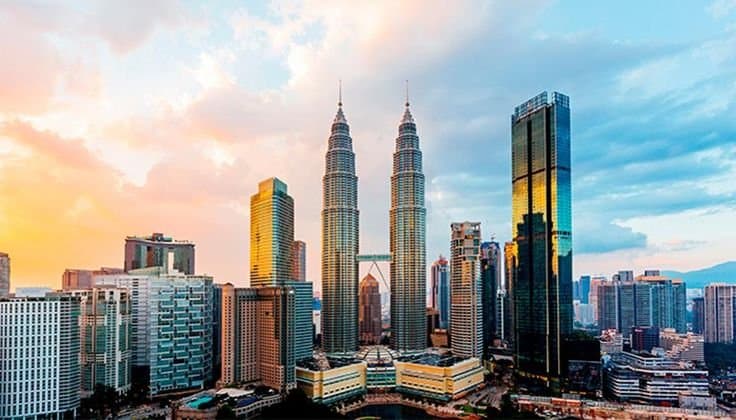

Malaysia
Malaysia offers a lower-cost gateway to Western-branded education, hosting branch campuses of universities like Monash and international institutions such as UCSI and Taylor's, popular with students seeking affordable, English-medium degrees in Southeast Asia.


Turkey
Turkey's universities, particularly in Istanbul and Ankara, offer a mix of English- and Turkish-medium programmes at a relatively low cost, with institutions like Boğaziçi and METU carrying strong regional reputations, especially in engineering and business.


China
China has rapidly expanded its international student offerings, especially in medicine and engineering, at internationally-ranked universities like Tsinghua and Peking, often at a significantly lower cost than Western equivalents.


United Arab Emirates
The UAE (Dubai and Abu Dhabi) has built a major international education hub, hosting branch campuses of Western universities (Heriot-Watt, Middlesex, NYU Abu Dhabi) alongside local institutions, popular for its proximity to South Asia and cosmopolitan environment.
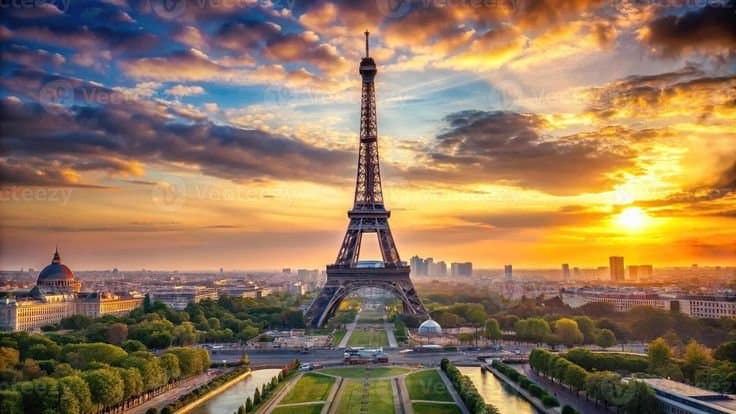

France
France offers relatively low tuition at public universities alongside globally ranked grandes écoles like Sciences Po and Sorbonne University, with a growing number of English-taught programmes for international students.
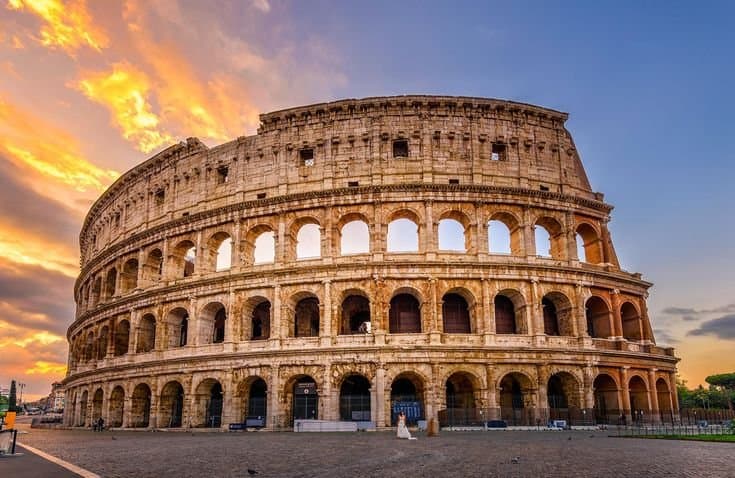

Italy
Italy combines historic universities (Bologna, founded in 1088, is the oldest in the world) with relatively low tuition and living costs, plus strong programmes in design, fashion, business (Bocconi), and the arts.


Netherlands
The Netherlands offers one of continental Europe's largest selections of English-taught degree programmes, at research-strong universities like Delft, Amsterdam, and Wageningen, with a practical, internationally-oriented teaching style.
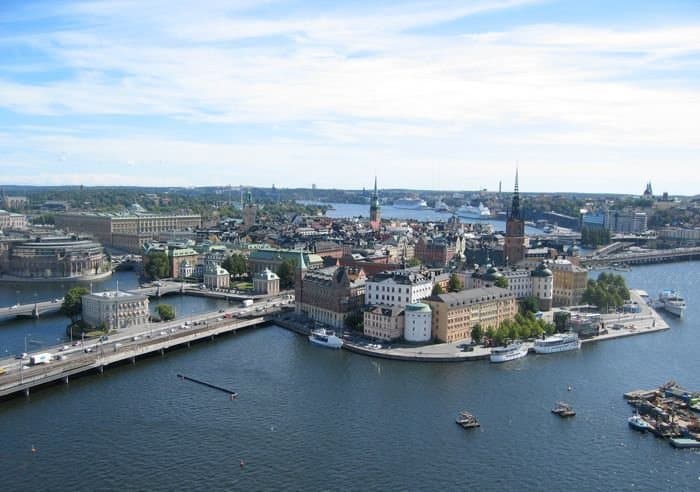

Sweden
Sweden is known for research strength in engineering and medicine (KTH, Karolinska Institute) and a large number of English-taught Master's programmes, though non-EU undergraduate tuition is not free as it is for EU/EEA students.
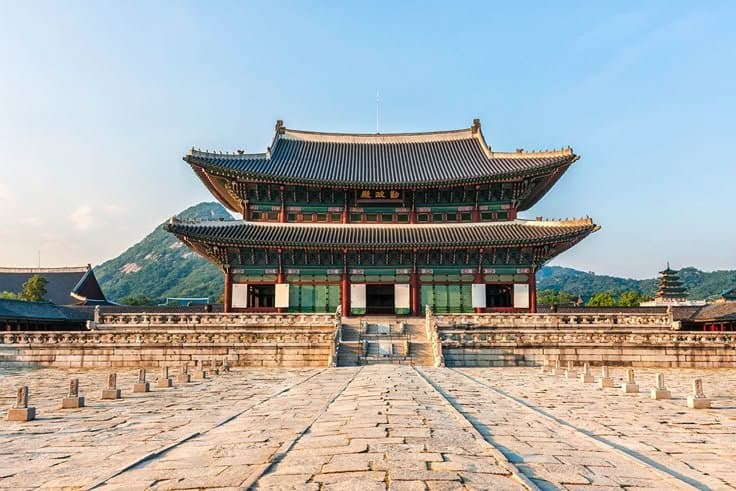

South Korea
South Korea has become an increasingly popular Asian study destination, led by Seoul National University, KAIST, and Yonsei, with growing government scholarship support (KGSP) for international students.
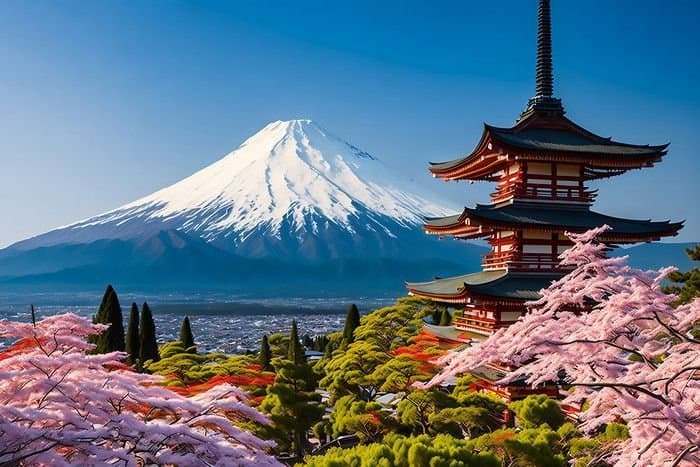

Japan
Japan combines world-leading research universities (University of Tokyo, Kyoto University) with a distinctive culture and the MEXT government scholarship programme, though the language barrier is a real consideration for non-Japanese-medium programmes.


New Zealand
New Zealand offers a smaller but well-regarded set of universities (Auckland, Otago, Victoria Wellington) with a strong post-study work visa framework and a notably high quality of life, popular as an alternative to Australia.
Cyprus
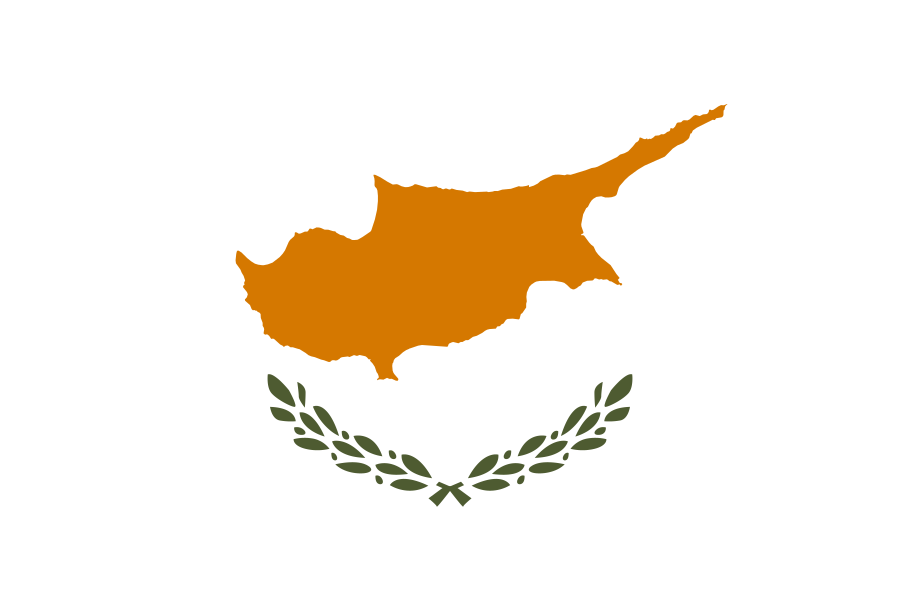
Cyprus
Cyprus (both the Republic of Cyprus and Northern Cyprus) has become a popular lower-cost, English-medium study destination for South Asian students, particularly for business and health-sciences programmes, with a relatively straightforward visa process.

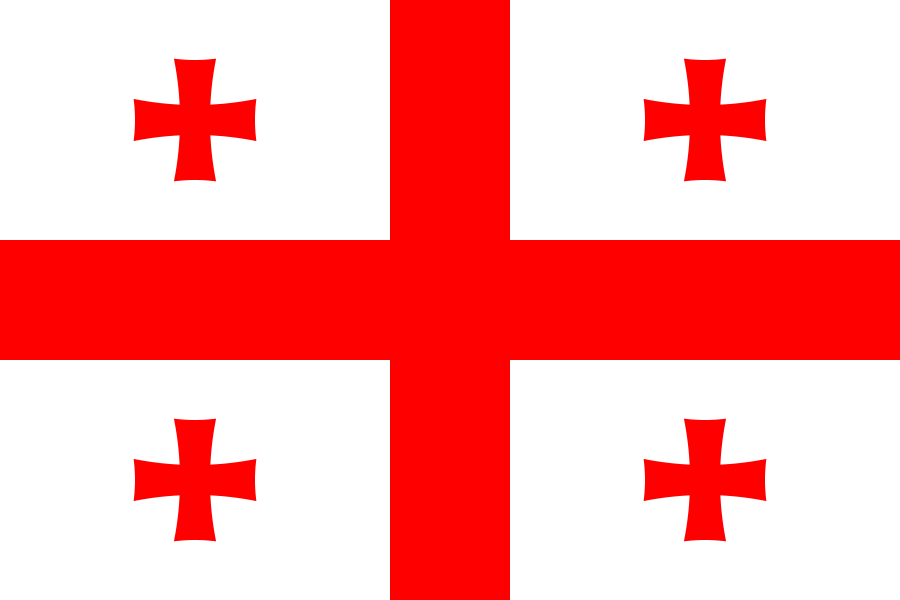
Georgia
Georgia (the country) has become a well-known, lower-cost destination specifically for medical education (MBBS) at universities like Tbilisi State Medical University, with English-medium programmes and a growing international student community.
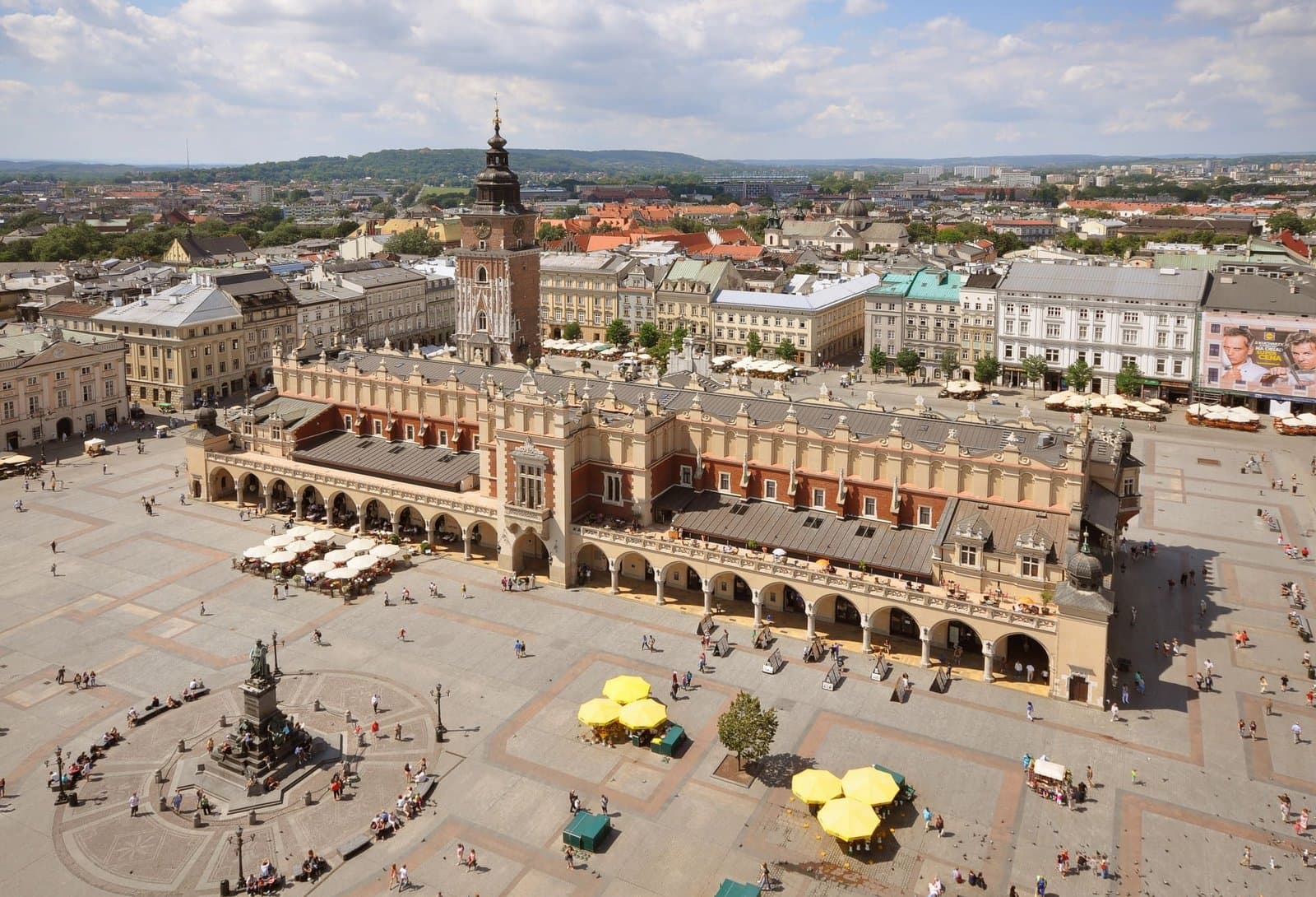

Poland
Poland offers EU-recognized degrees, including a strong medical-education track (Medical University of Warsaw, Medical University of Lodz), at a lower cost than Western Europe, with a growing number of English-medium programmes.
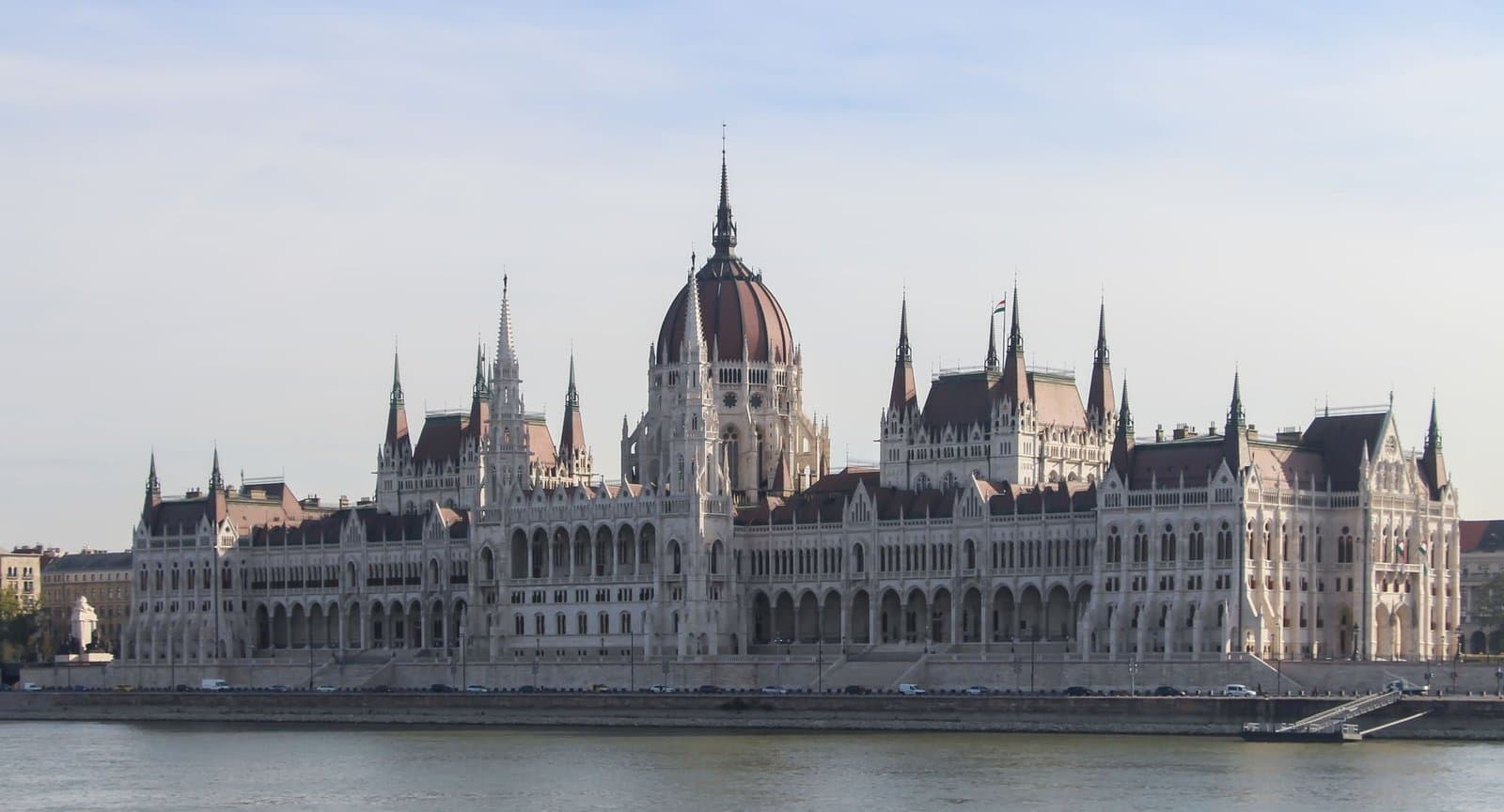

Hungary
Hungary is a well-established destination for international medical education (Semmelweis University), alongside strong technical and business programmes in Budapest, at EU-recognized but relatively affordable tuition levels.
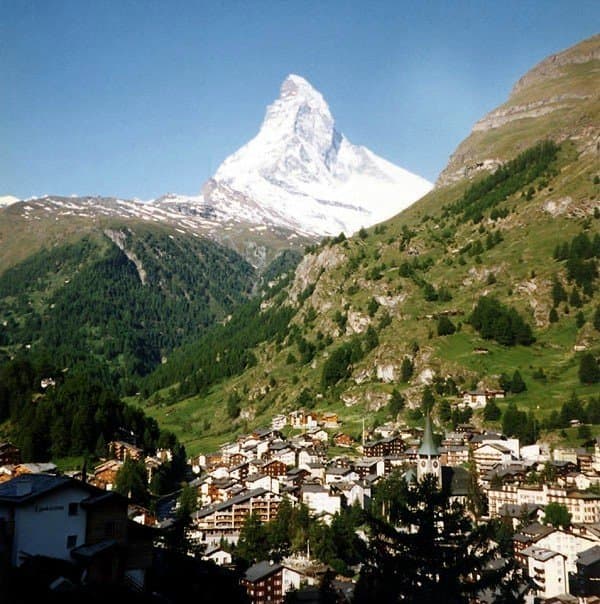

Switzerland
Switzerland is home to two of the world's top technical universities (ETH Zurich, EPFL) and a globally renowned network of hospitality-management and international boarding schools, though it is also one of the more expensive study destinations.
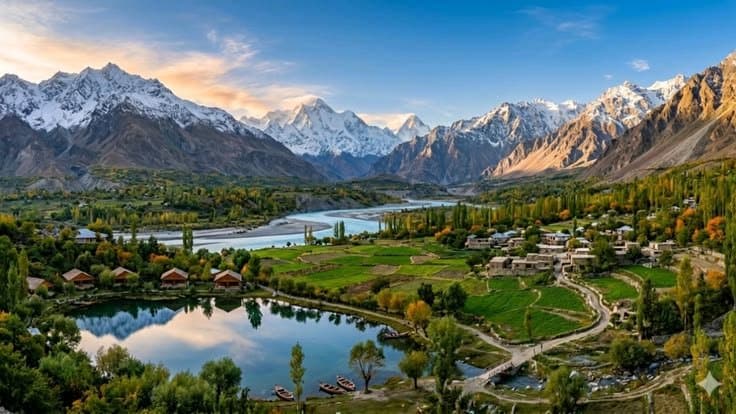

Pakistan
South Asia's mountain frontier, from Hunza's peaks to Lahore's Mughal grandeur.
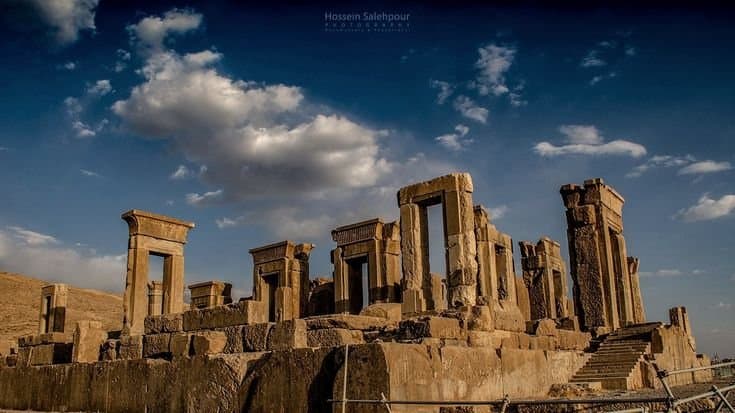

Iran
Millennia of Persian history, from Persepolis to Isfahan's turquoise domes.
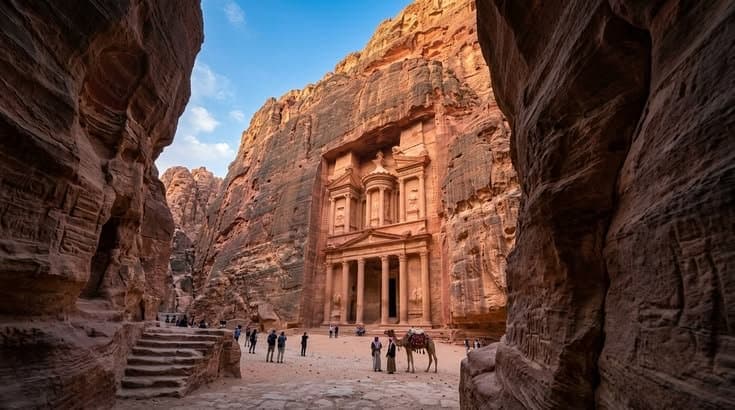
Jordan
Ancient rock-cut cities and the otherworldly Wadi Rum desert.
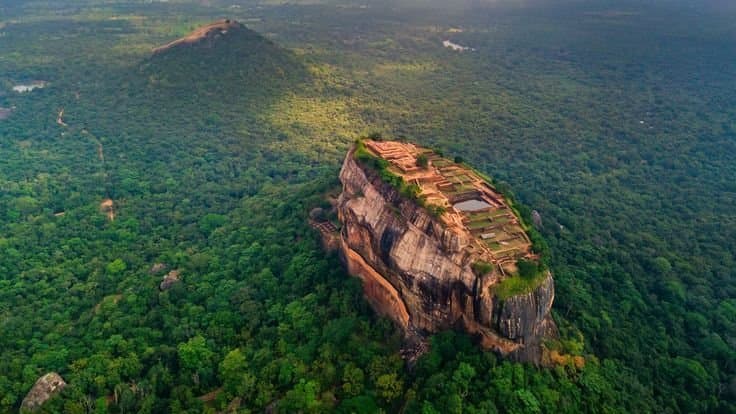

Sri Lanka
Ancient fortresses, tea country, and wildlife-rich national parks.
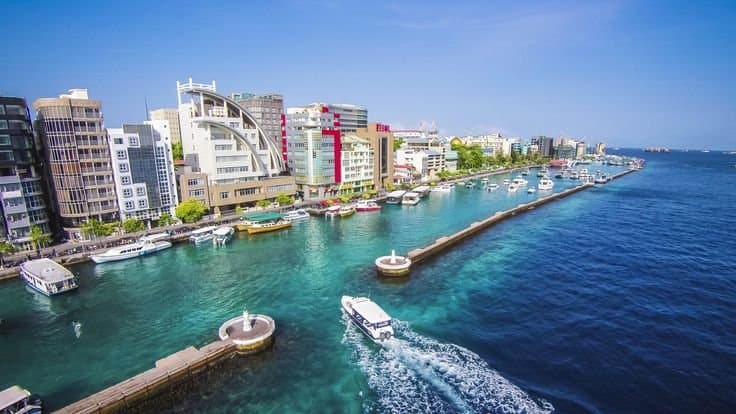
Maldives
Turquoise atolls, overwater bungalows, and world-class diving.
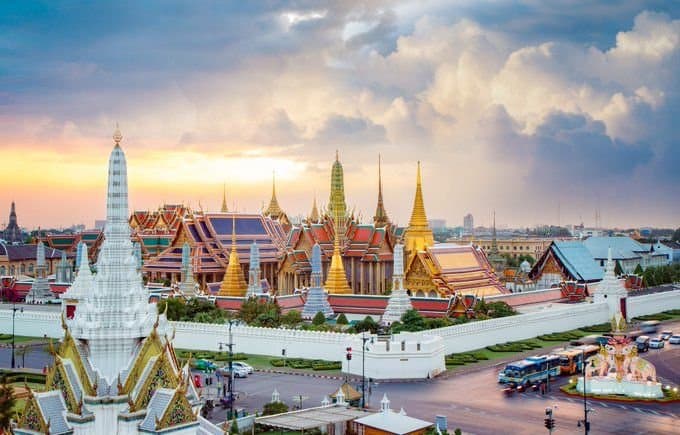

Thailand
Golden temples, tropical islands, and a legendary street food scene.


Saudi Arabia
Islam's holiest sites alongside ancient Nabatean ruins.
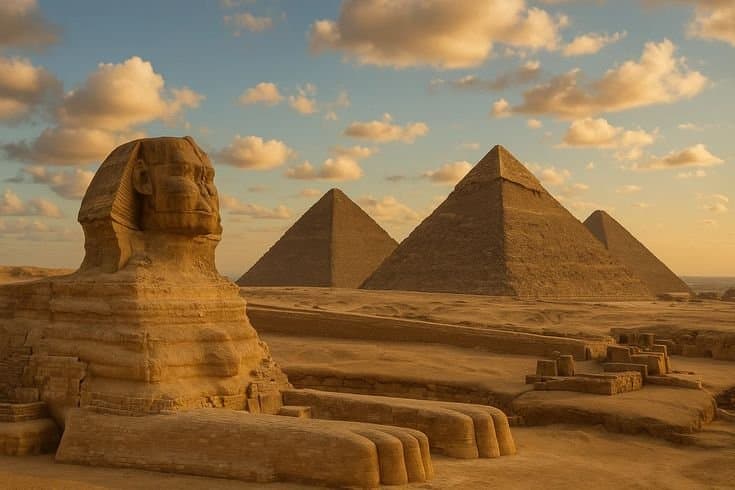

Egypt
Pyramids, pharaohs, and the timeless Nile.
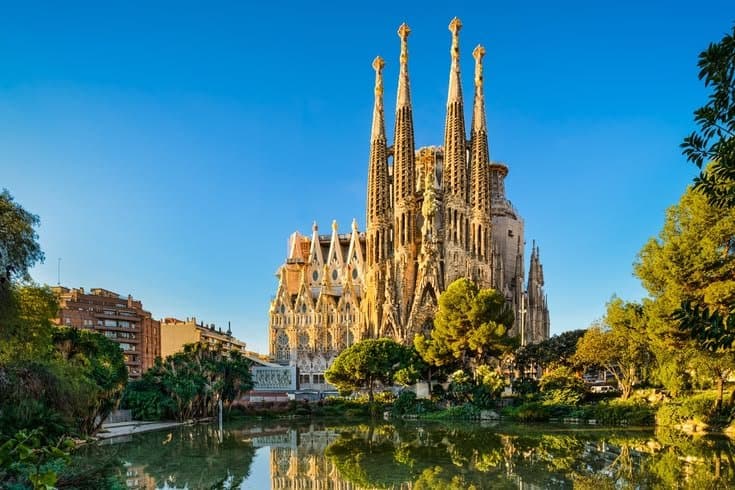

Spain
Gaudi's Barcelona, Moorish palaces, and island nightlife.
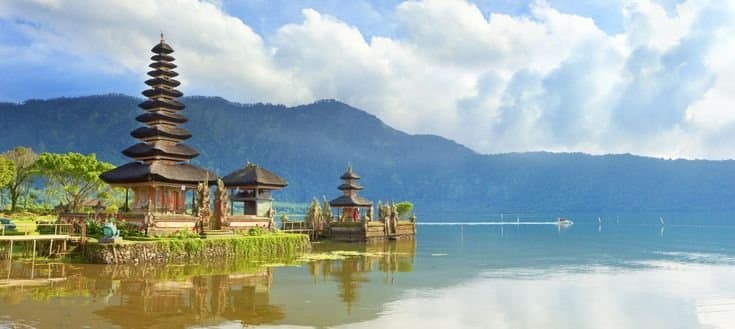

Indonesia
Volcanic temples, rice terraces, and thousands of islands to explore.
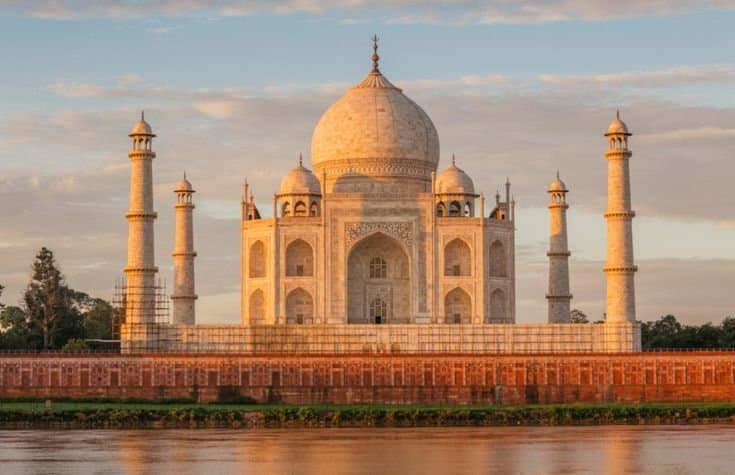

India
From the Taj Mahal to the Kerala backwaters, staggering diversity in one country.
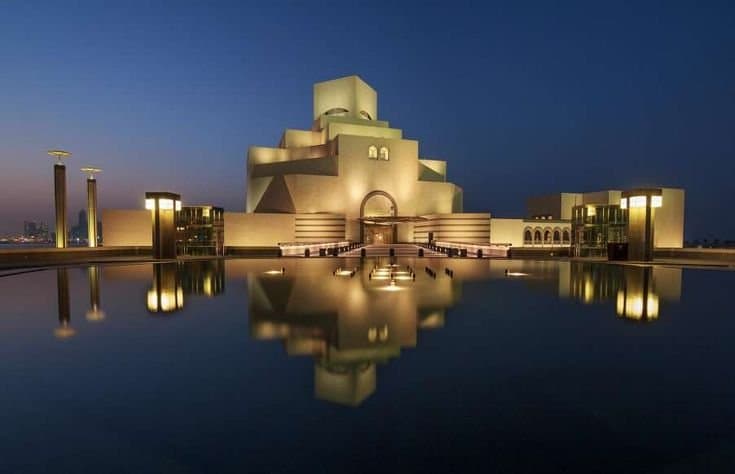

Qatar
A small peninsula with an outsized skyline and desert adventures.
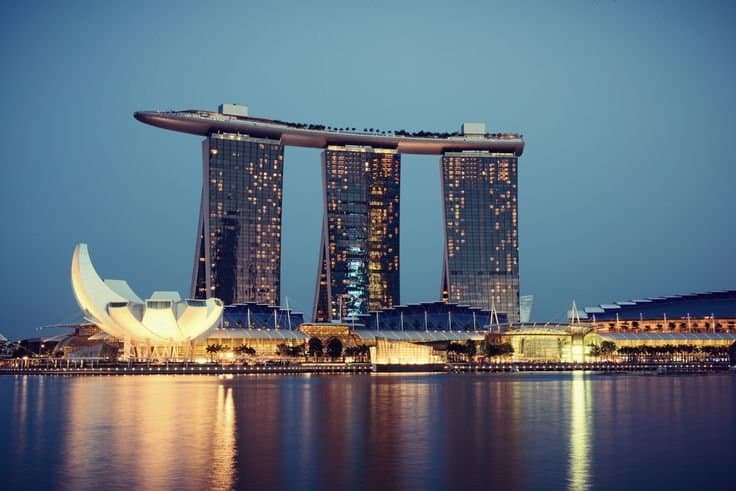

Singapore
A futuristic garden city where four cultures meet.
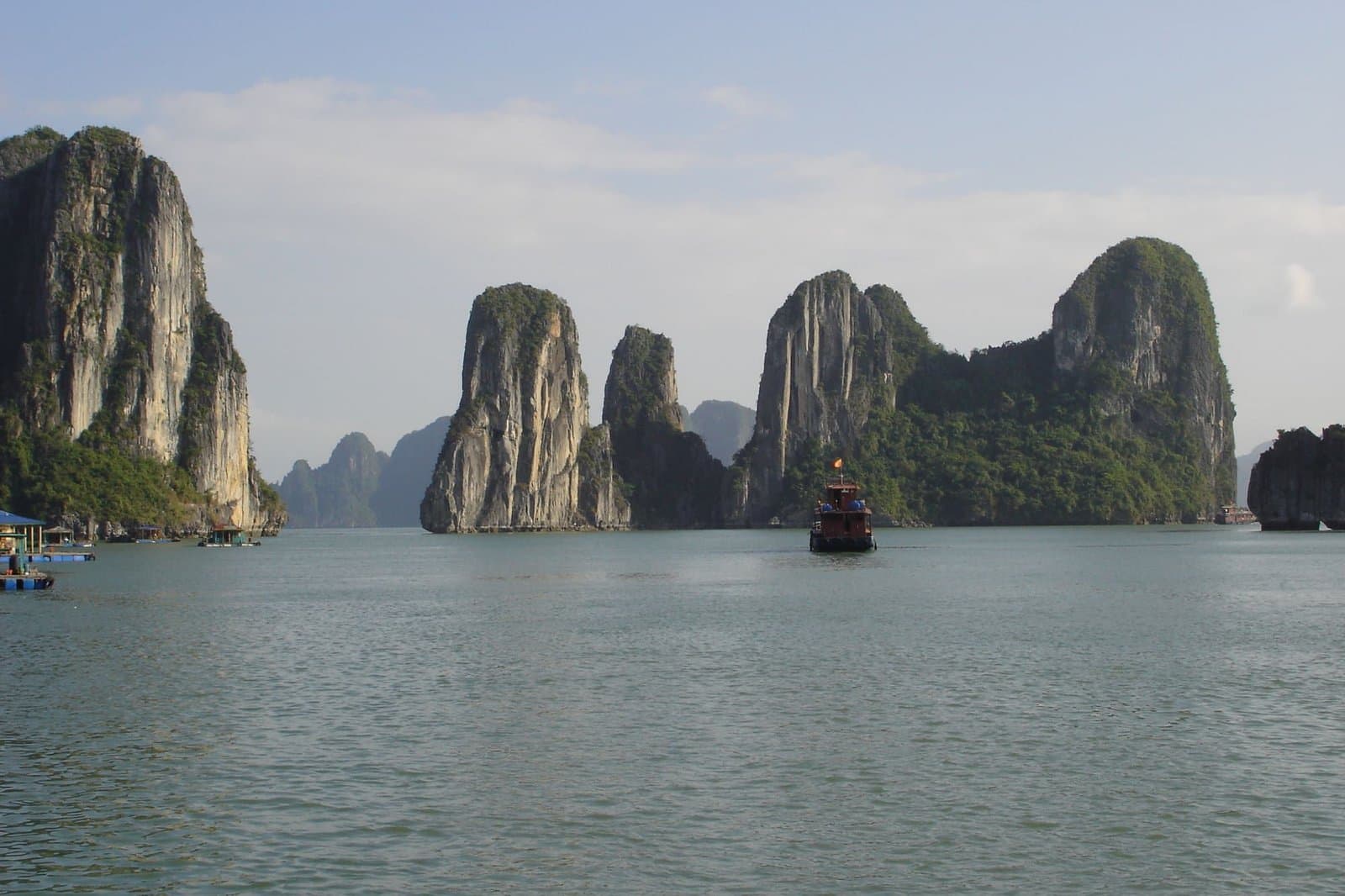

Vietnam
Limestone bays, lantern-lit old towns, and a food scene that punches far above its price.
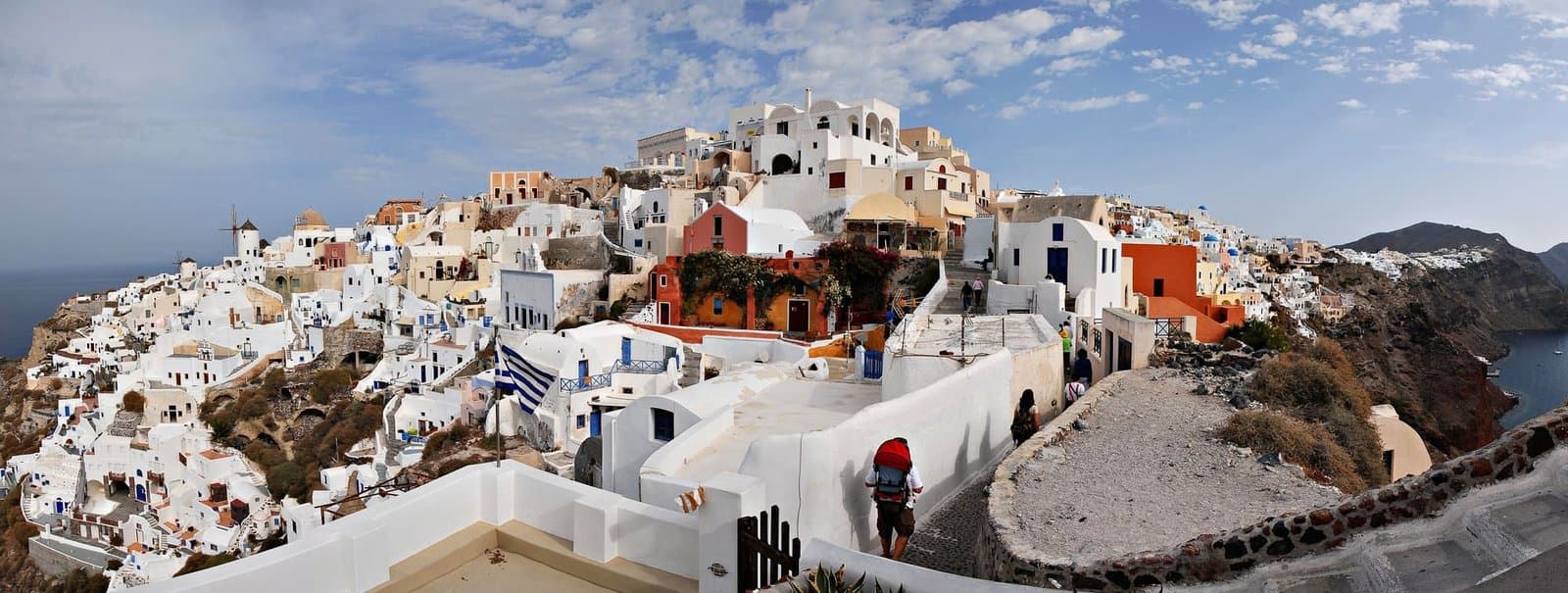

Greece
Whitewashed island villages, ancient ruins, and some of the Mediterranean's best sunsets.
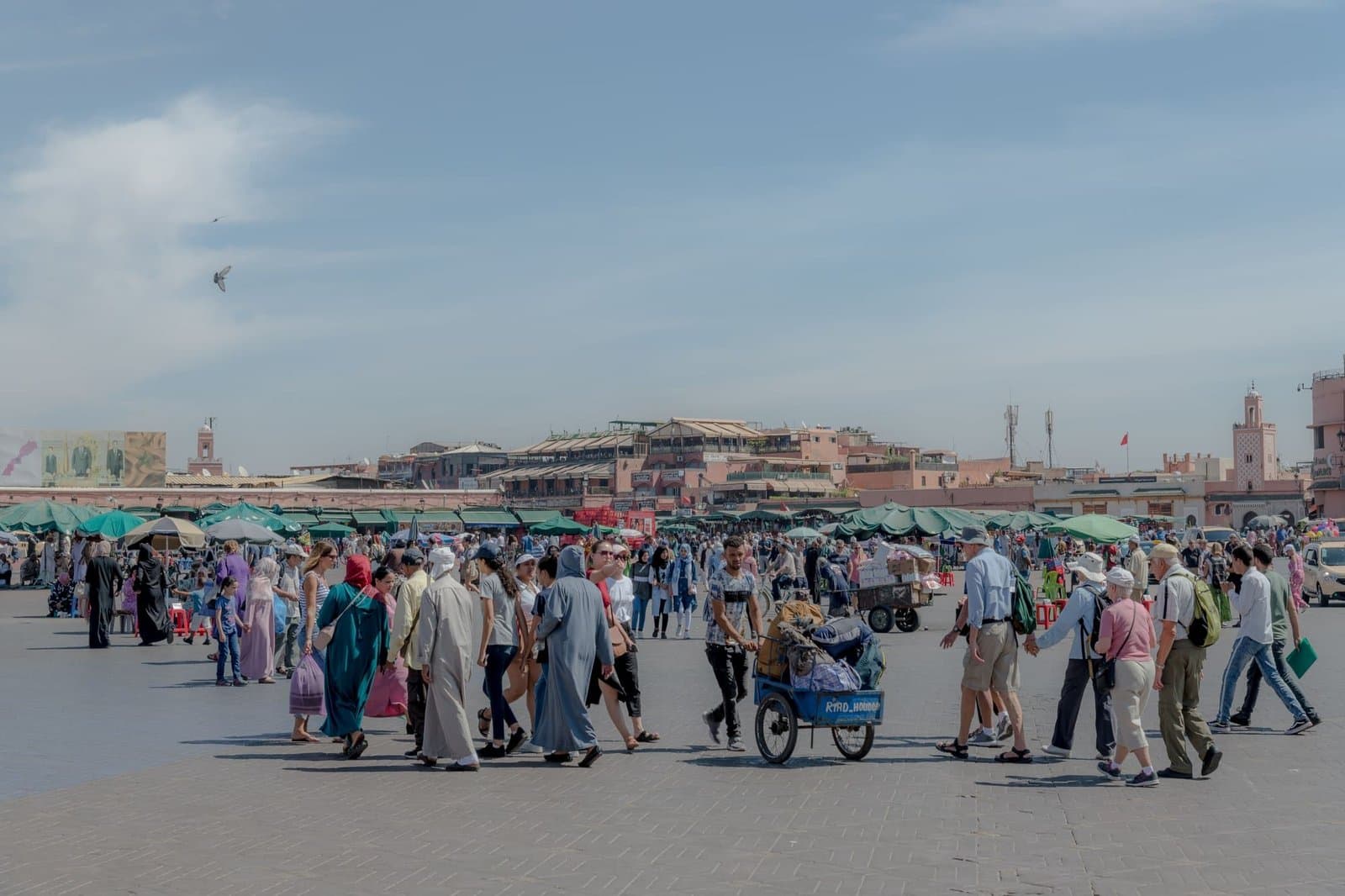

Morocco
Labyrinth medinas, Sahara dunes, and a blue-washed mountain town unlike anywhere else.
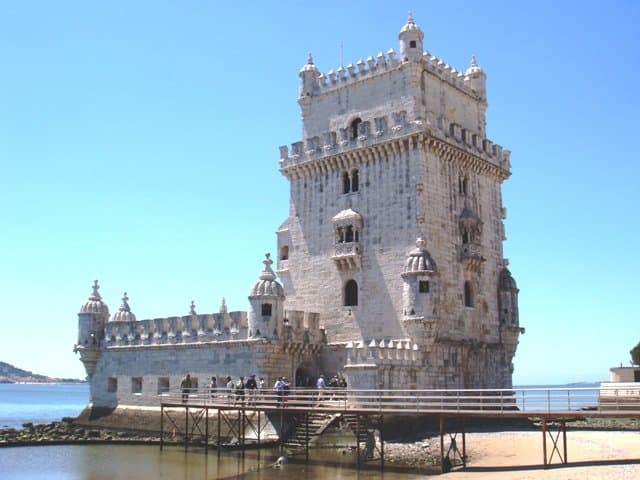

Portugal
Tiled facades, Atlantic cliffs, and a fado-soundtracked capital along Europe's western edge.
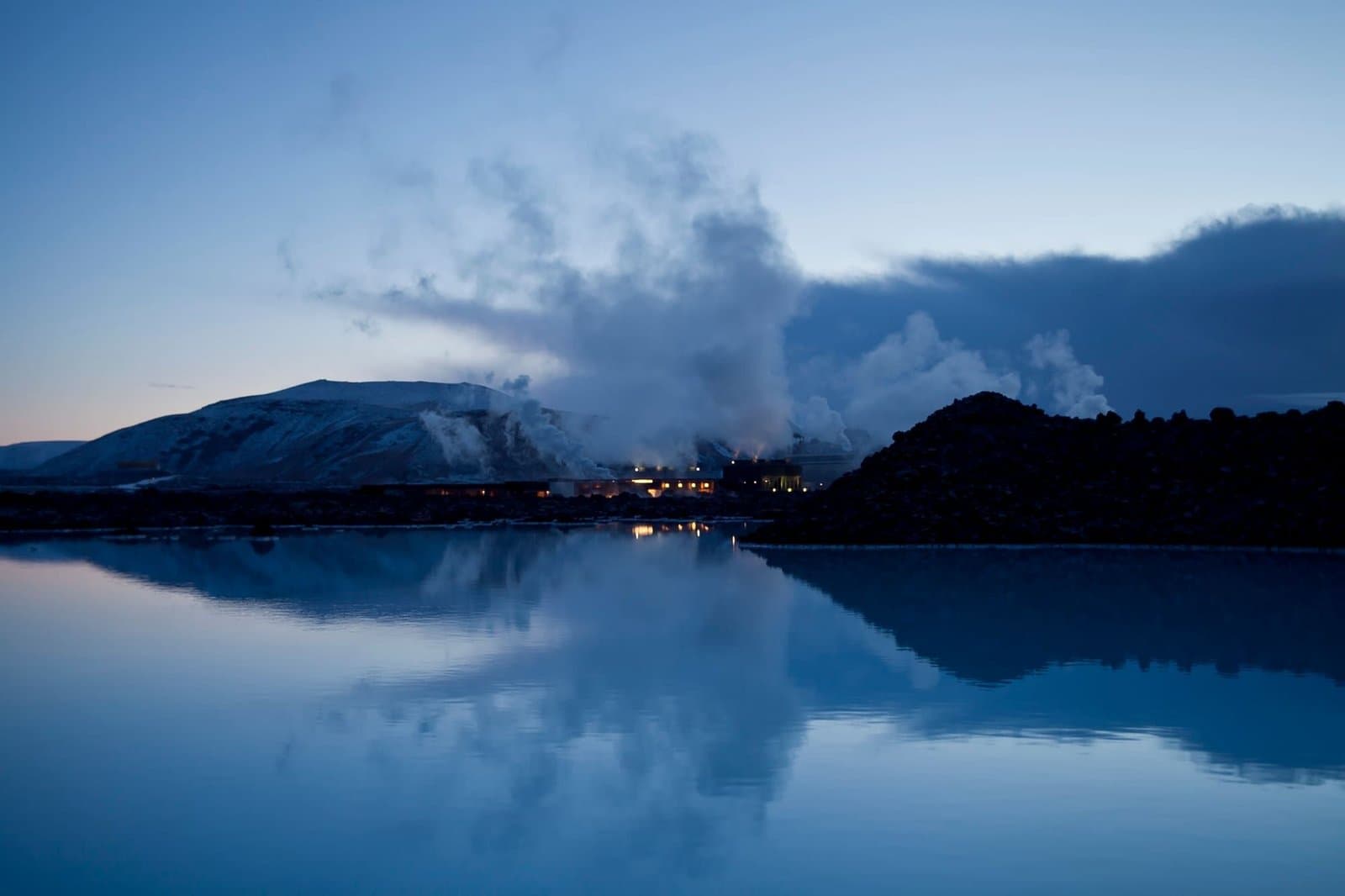

Iceland
Glaciers, geysers, and geothermal water in every shade of blue.


Croatia
Adriatic walled cities, Roman ruins, and turquoise island coves.
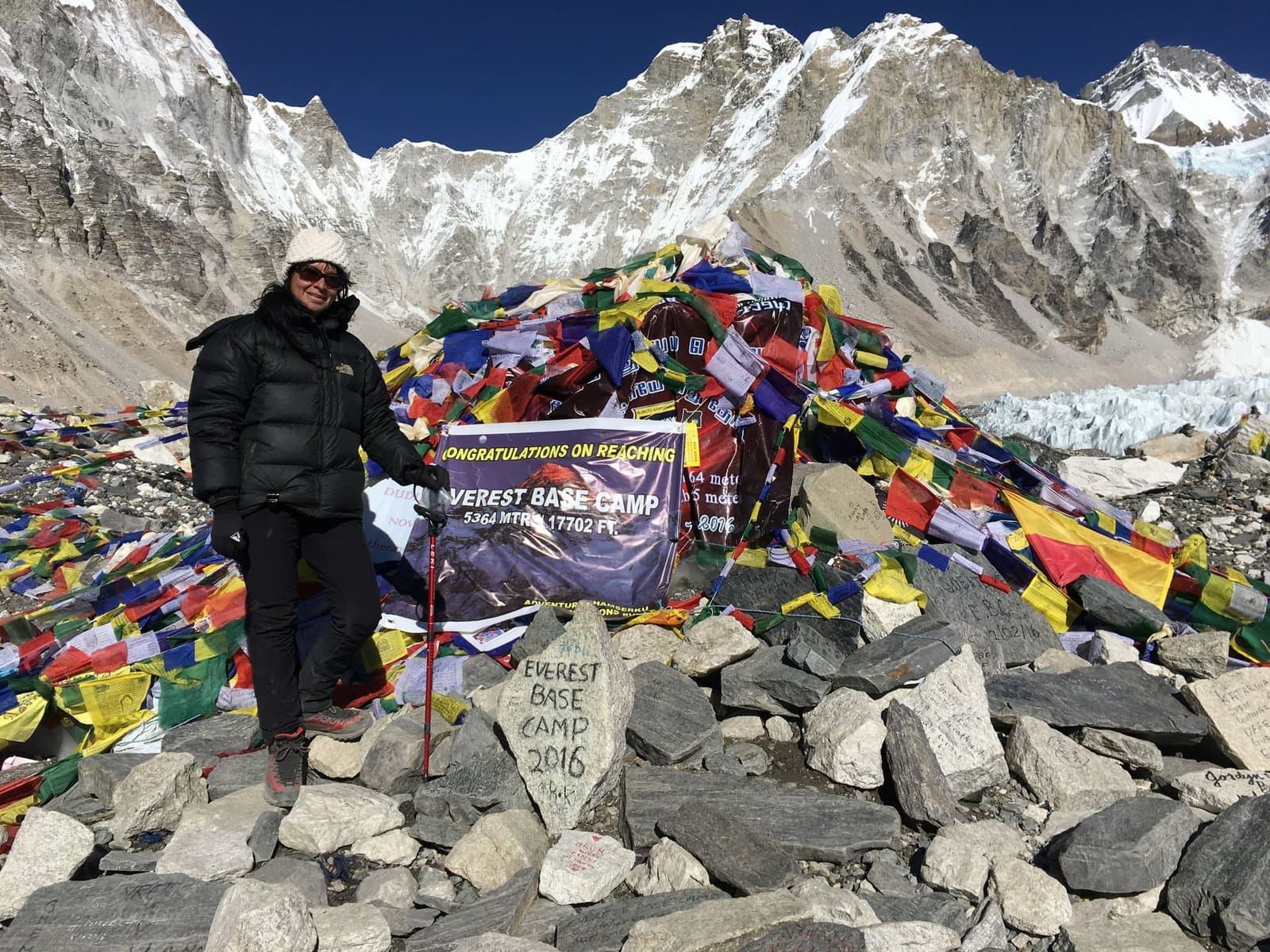

Nepal
The roof of the world, ancient valley temples, and a jungle where rhinos still outnumber roads.
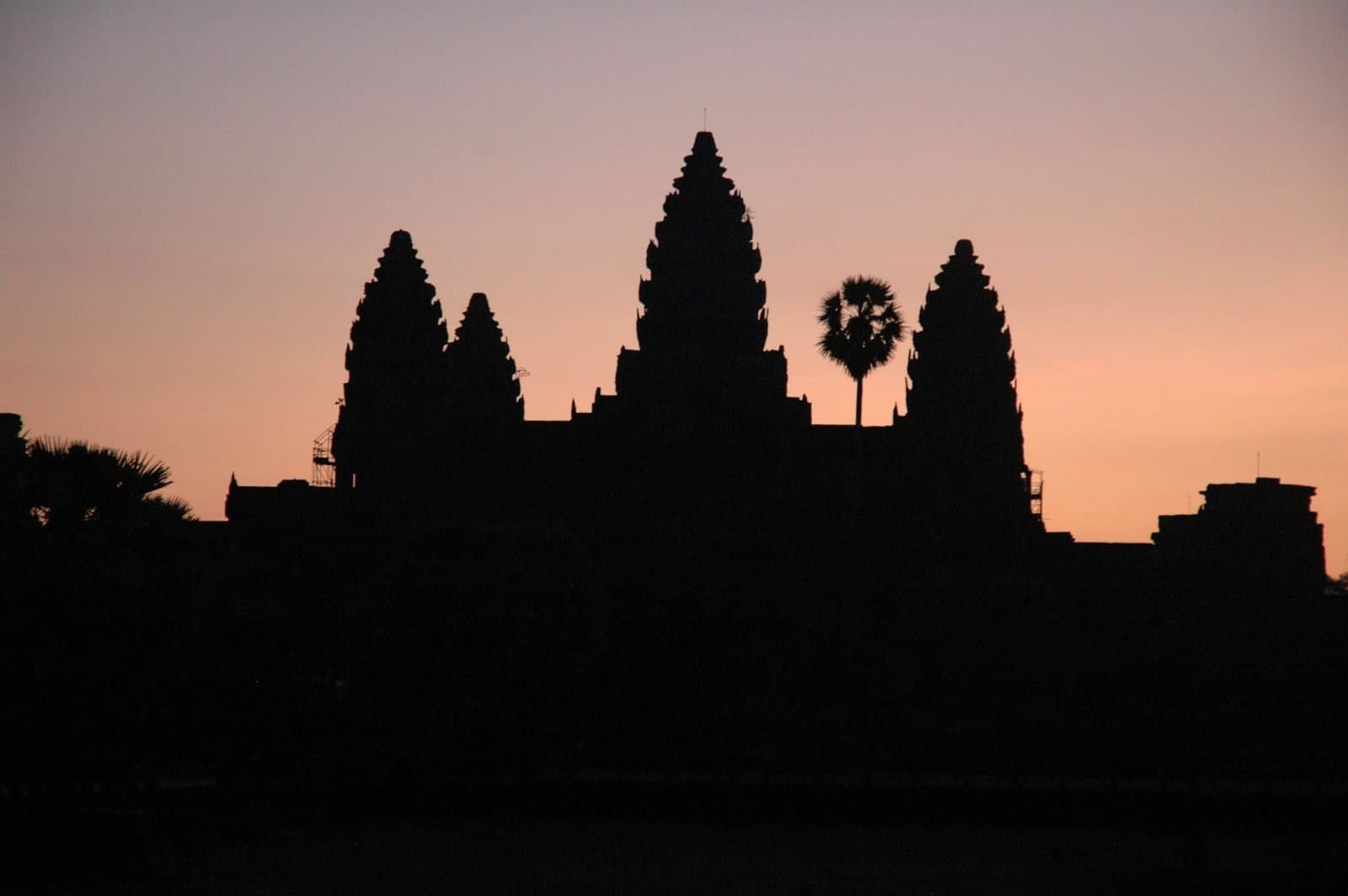
Cambodia
The largest religious monument on Earth, a lake that floods a quarter of the country, and a capital still rebuilding its story.
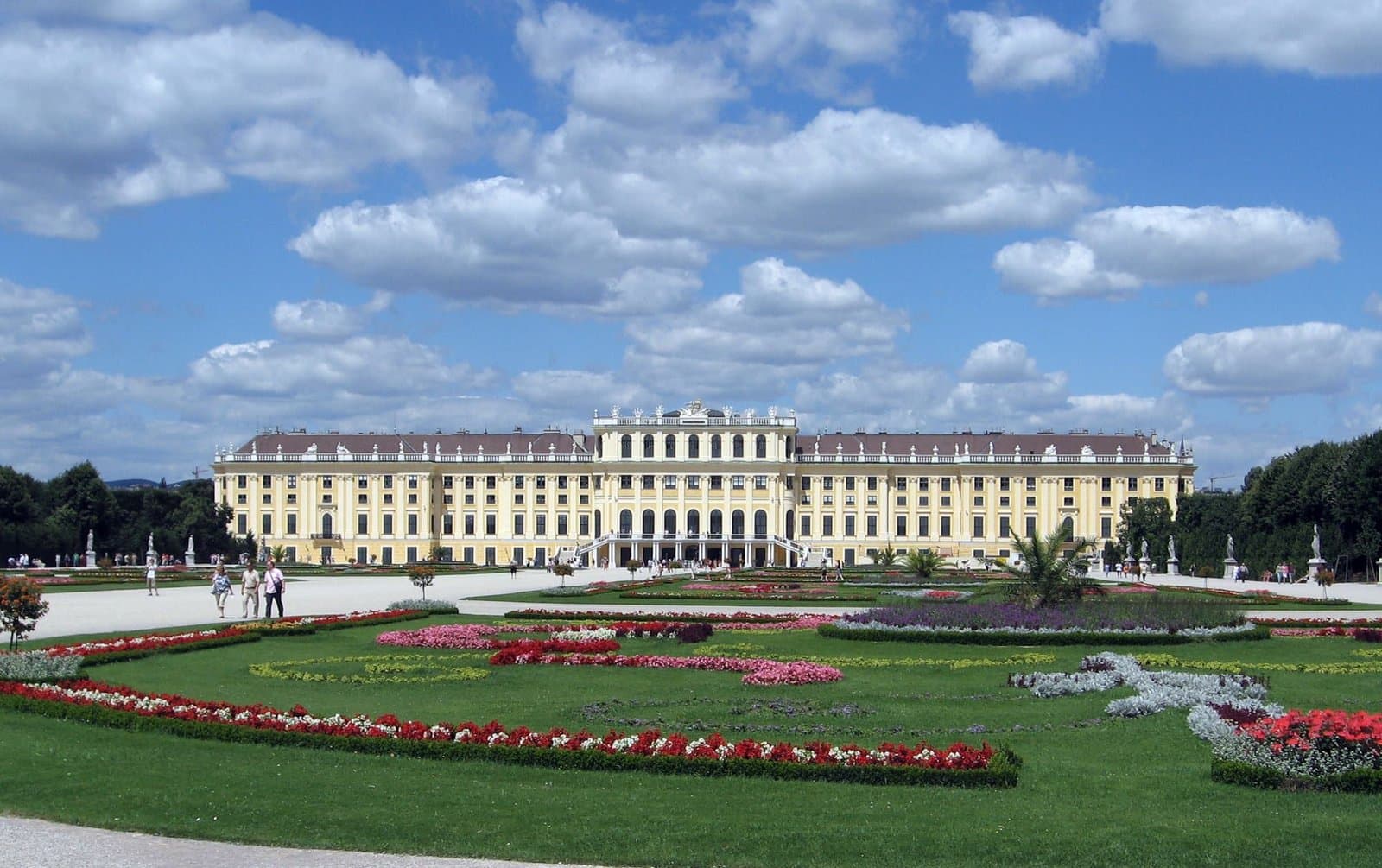

Austria
Imperial palaces, Mozart's hometown, and a lake village that looks unreal in person.
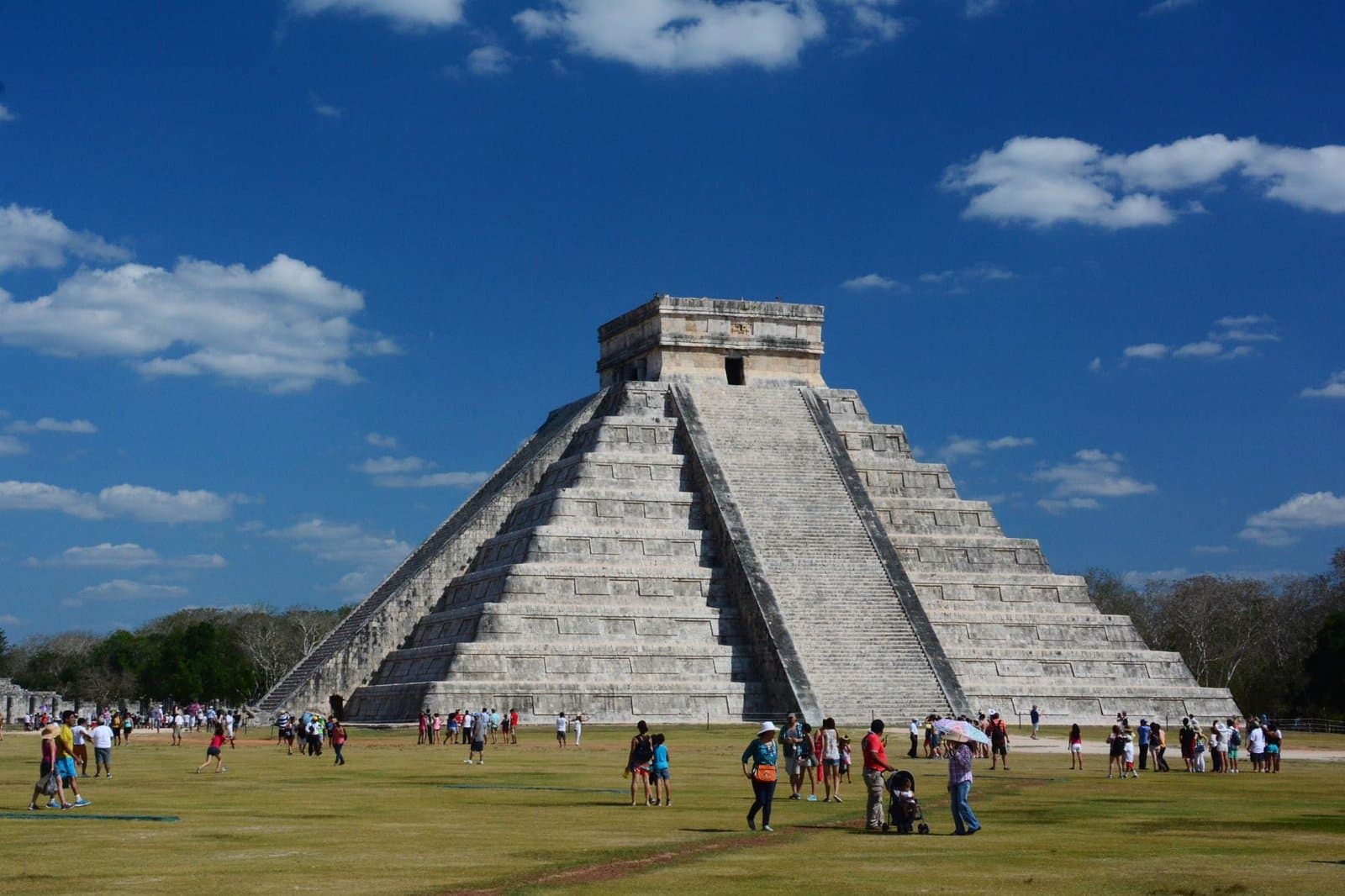

Mexico
Maya pyramids, Caribbean beaches, and a capital built on the ruins of an Aztec city.
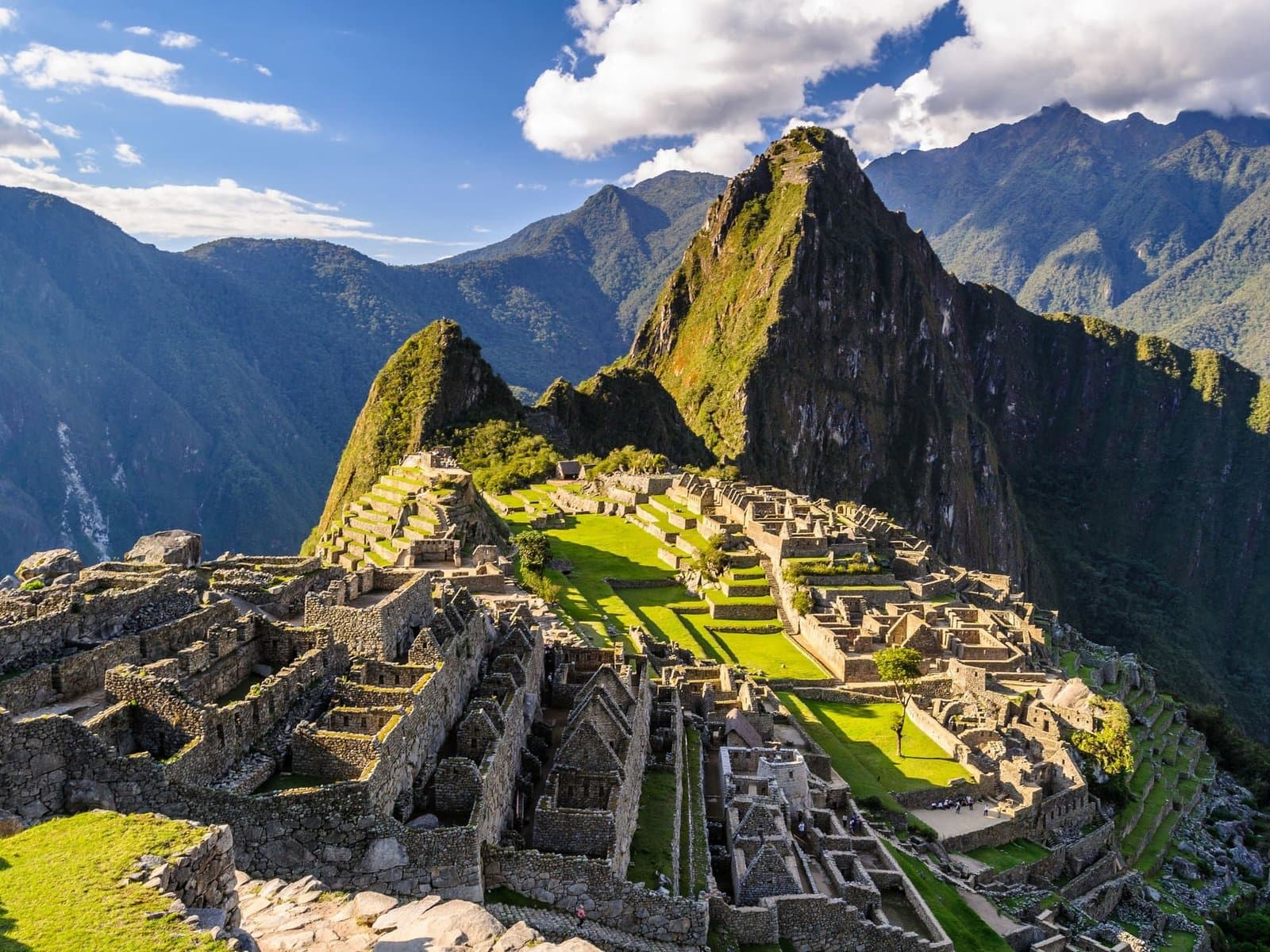

Peru
A lost Inca city, a literal rainbow mountain, and a colonial capital wedged between desert and ocean.
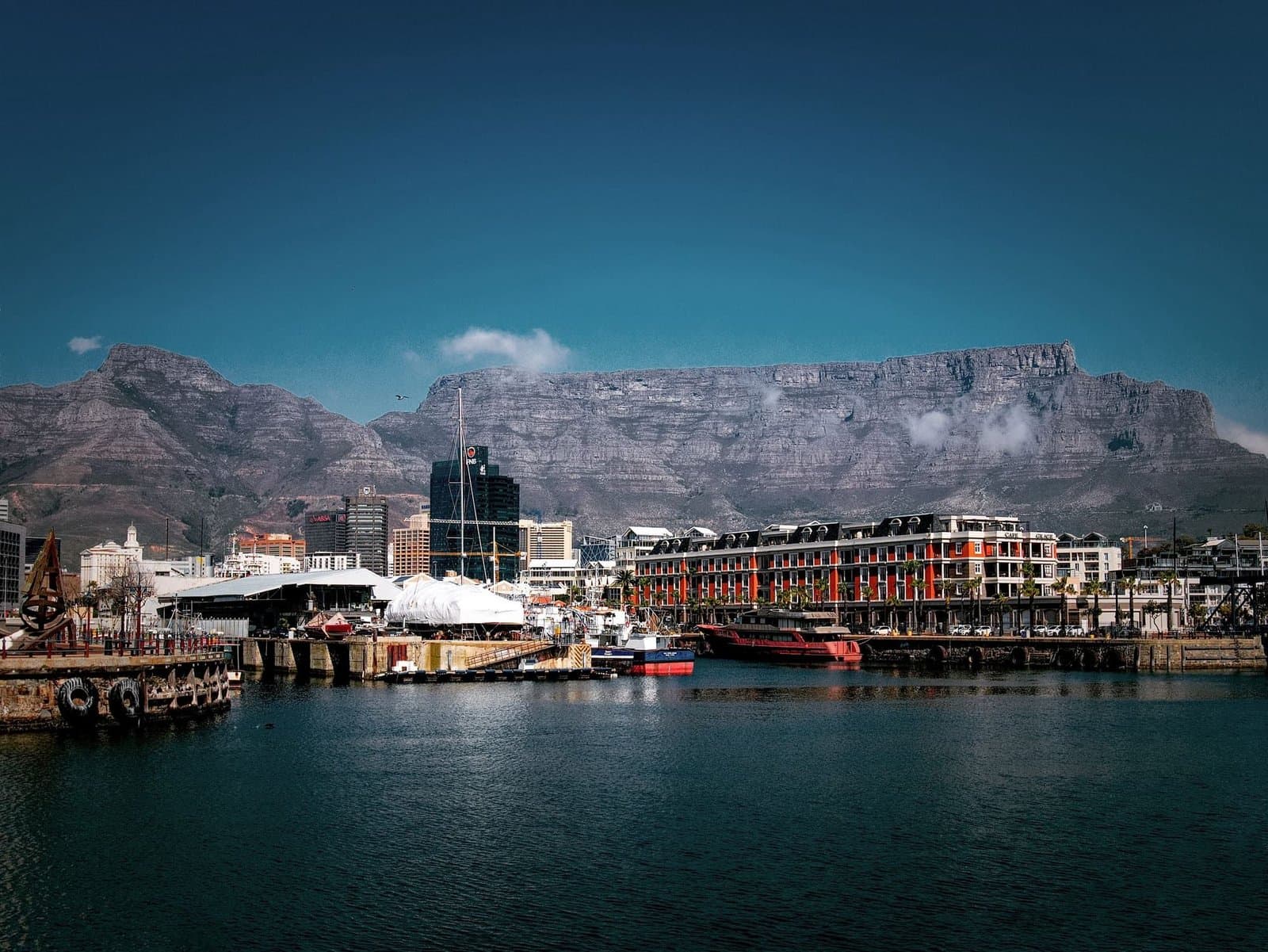

South Africa
A flat-topped mountain over a world-class city, Big Five safaris, and the island where Mandela was held.
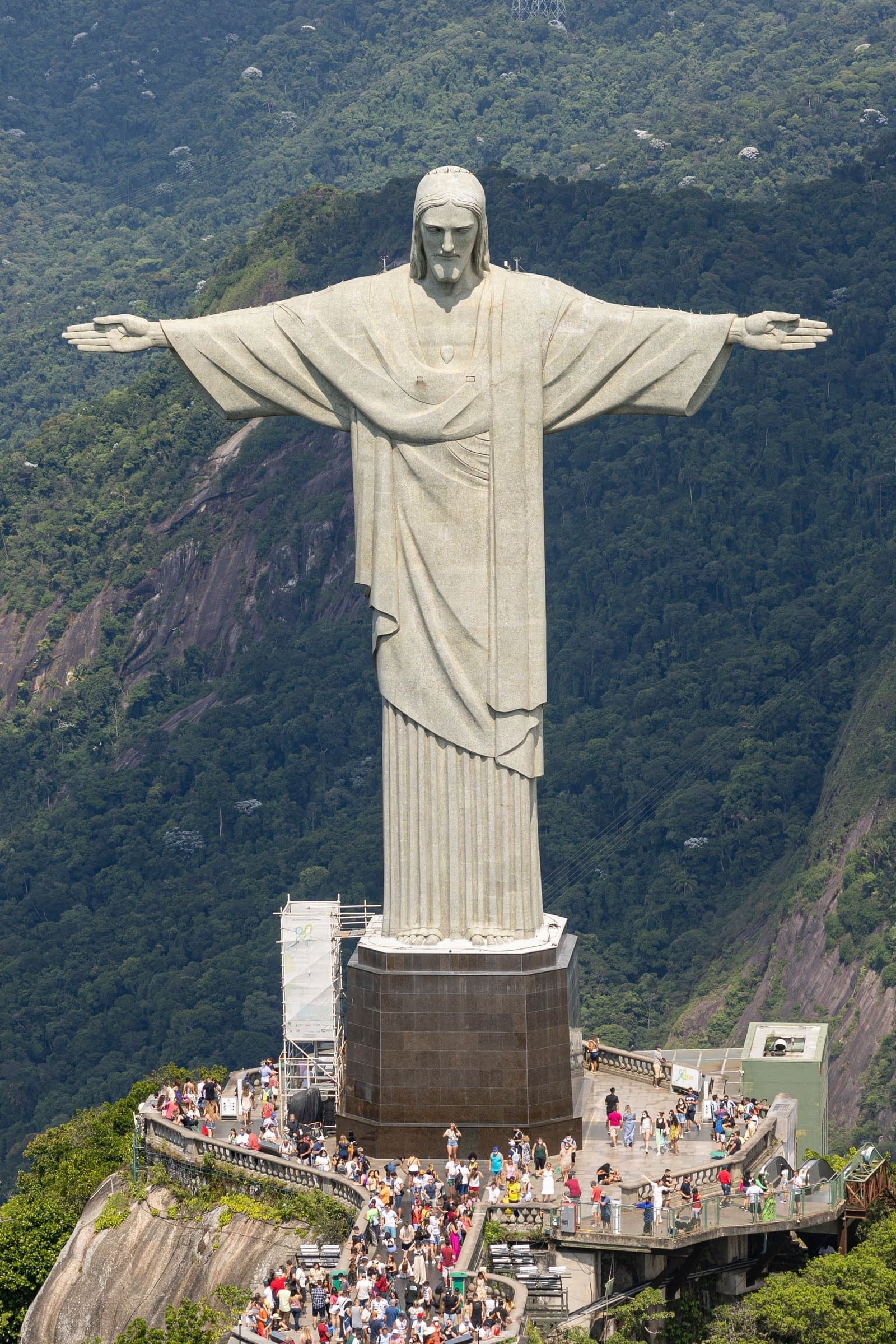

Brazil
Christ the Redeemer over Rio, the world's largest waterfalls, and the Amazon rainforest itself.
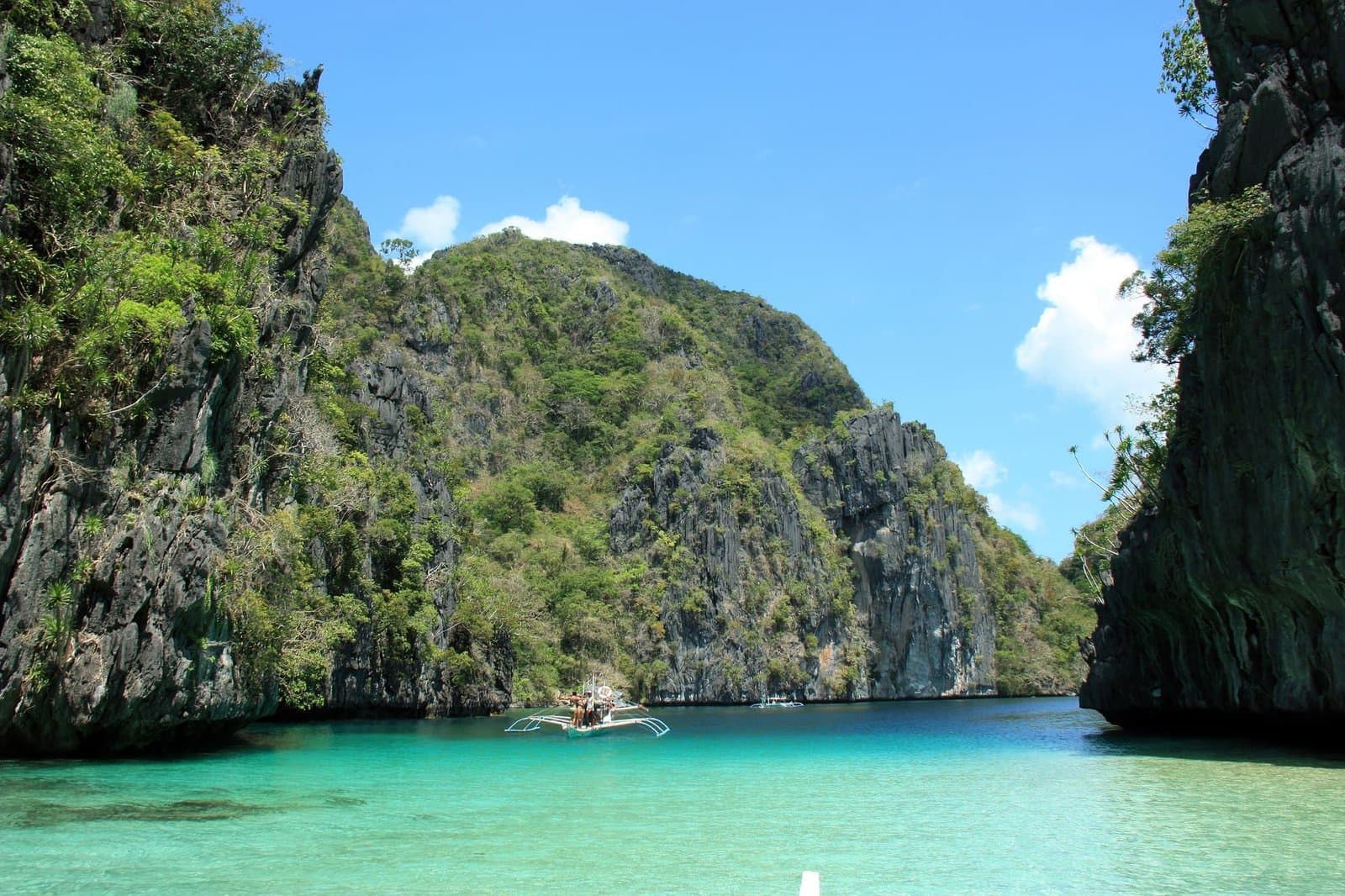

Philippines
Over 7,000 islands of limestone lagoons, world-class beaches, and rice terraces carved by hand into the mountains.
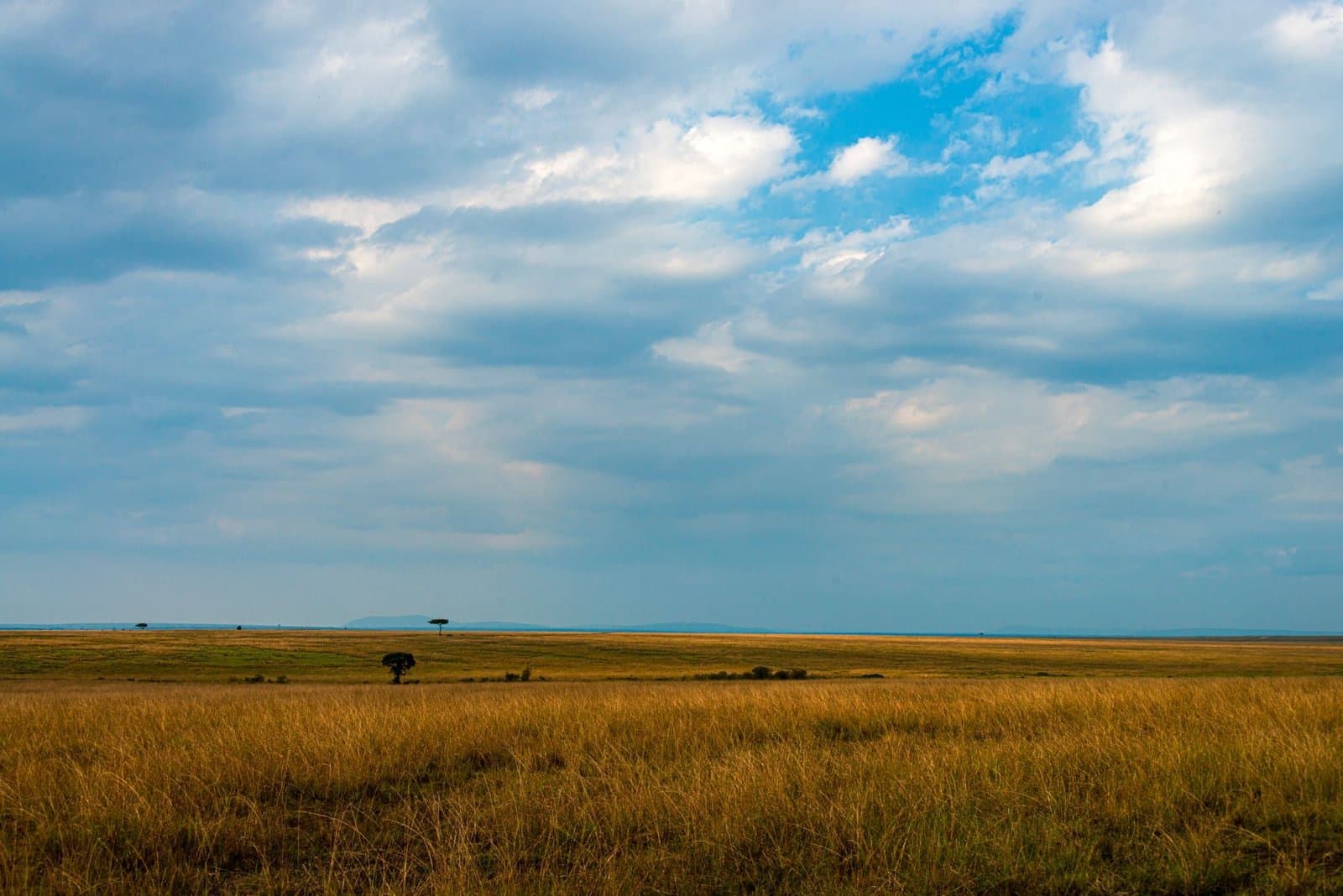
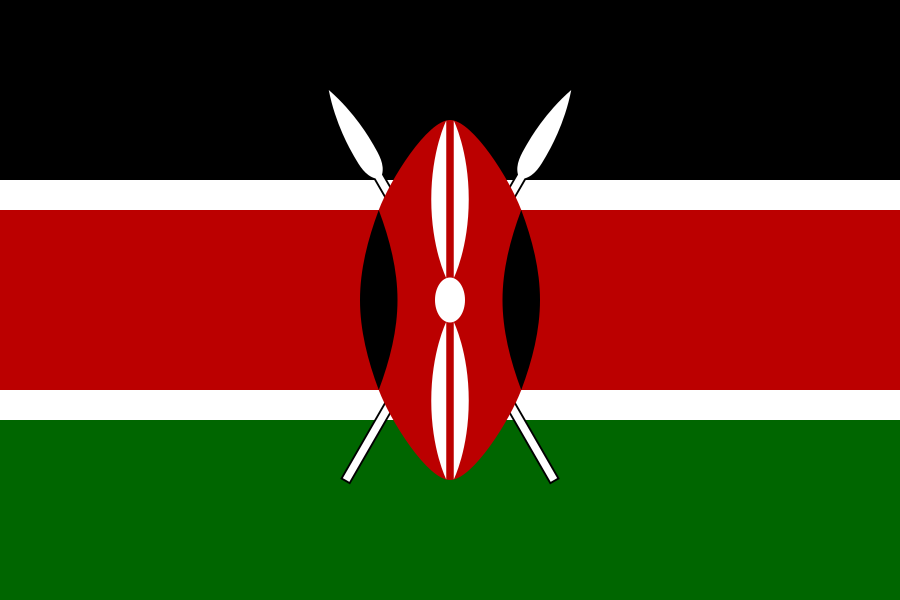
Kenya
The Great Migration across the Mara, a national park within sight of a capital's skyline, and Indian Ocean beaches.
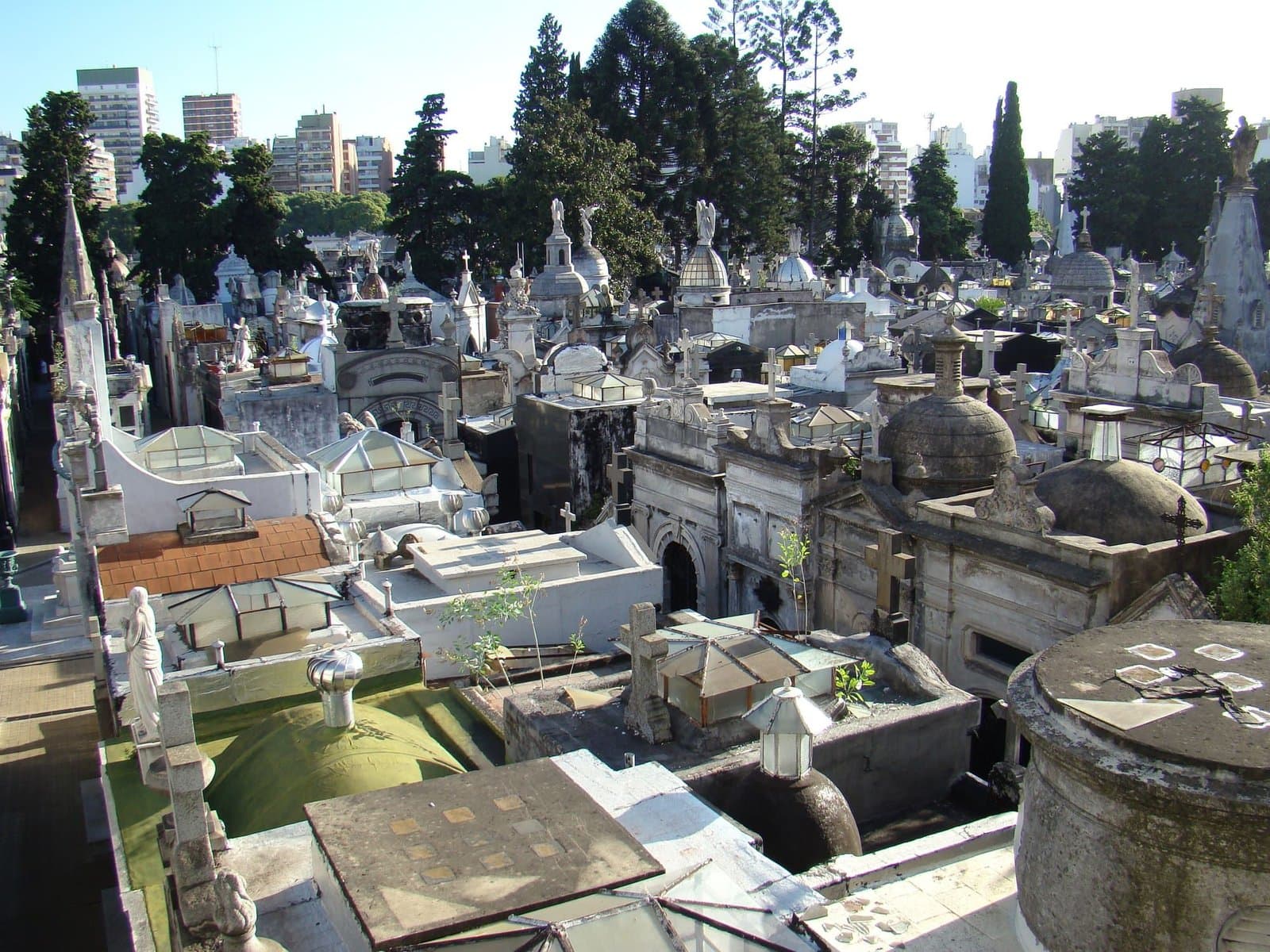

Argentina
Tango streets in Buenos Aires, Patagonian glaciers, and granite spires at the end of the world.


Czech Republic
Prague's fairy-tale skyline, a fortified medieval town, and a chapel decorated entirely in human bone.
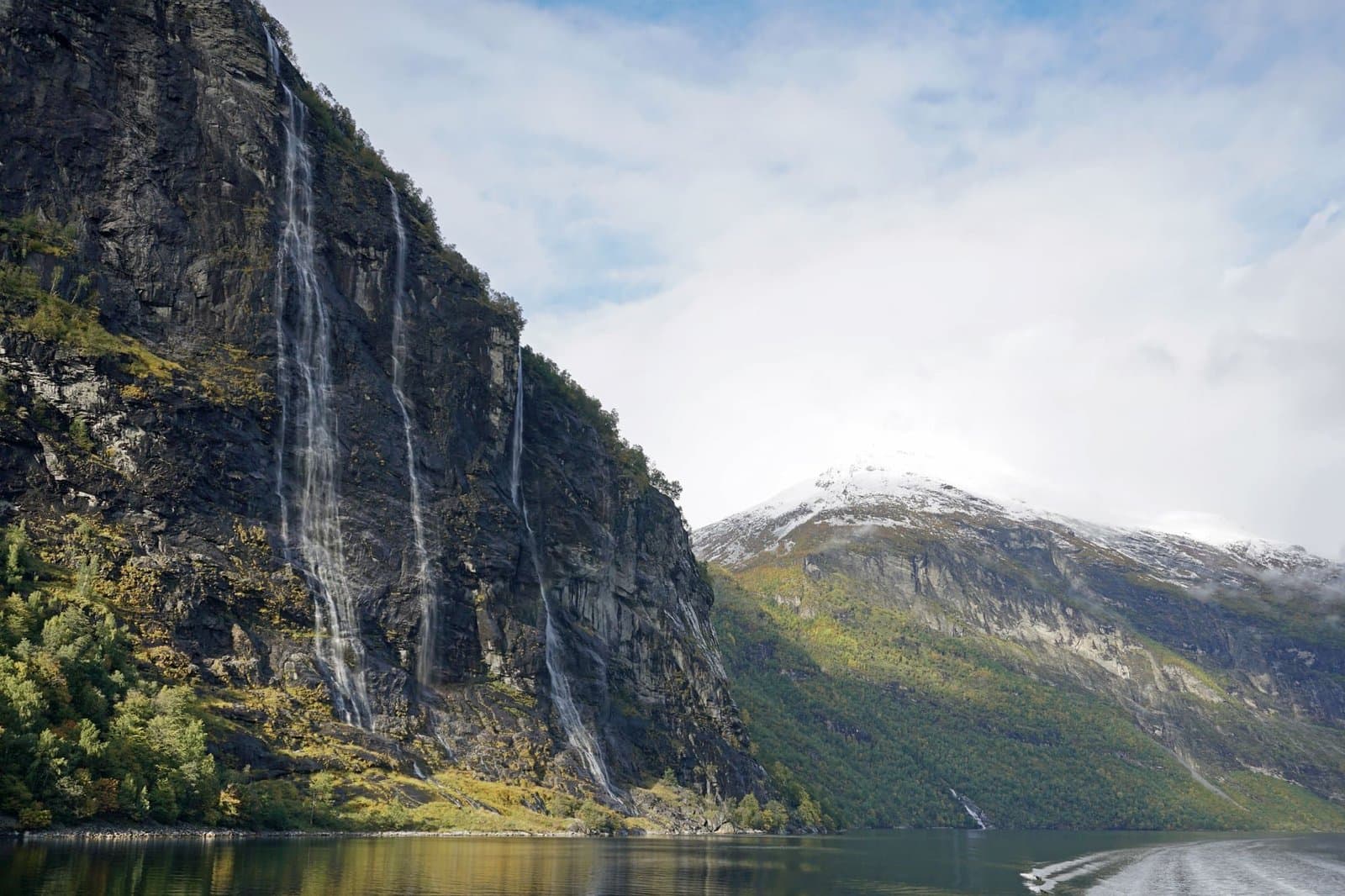

Norway
Fjords carved by ice, a Hanseatic wharf, and the Arctic north's best odds of catching the Northern Lights.
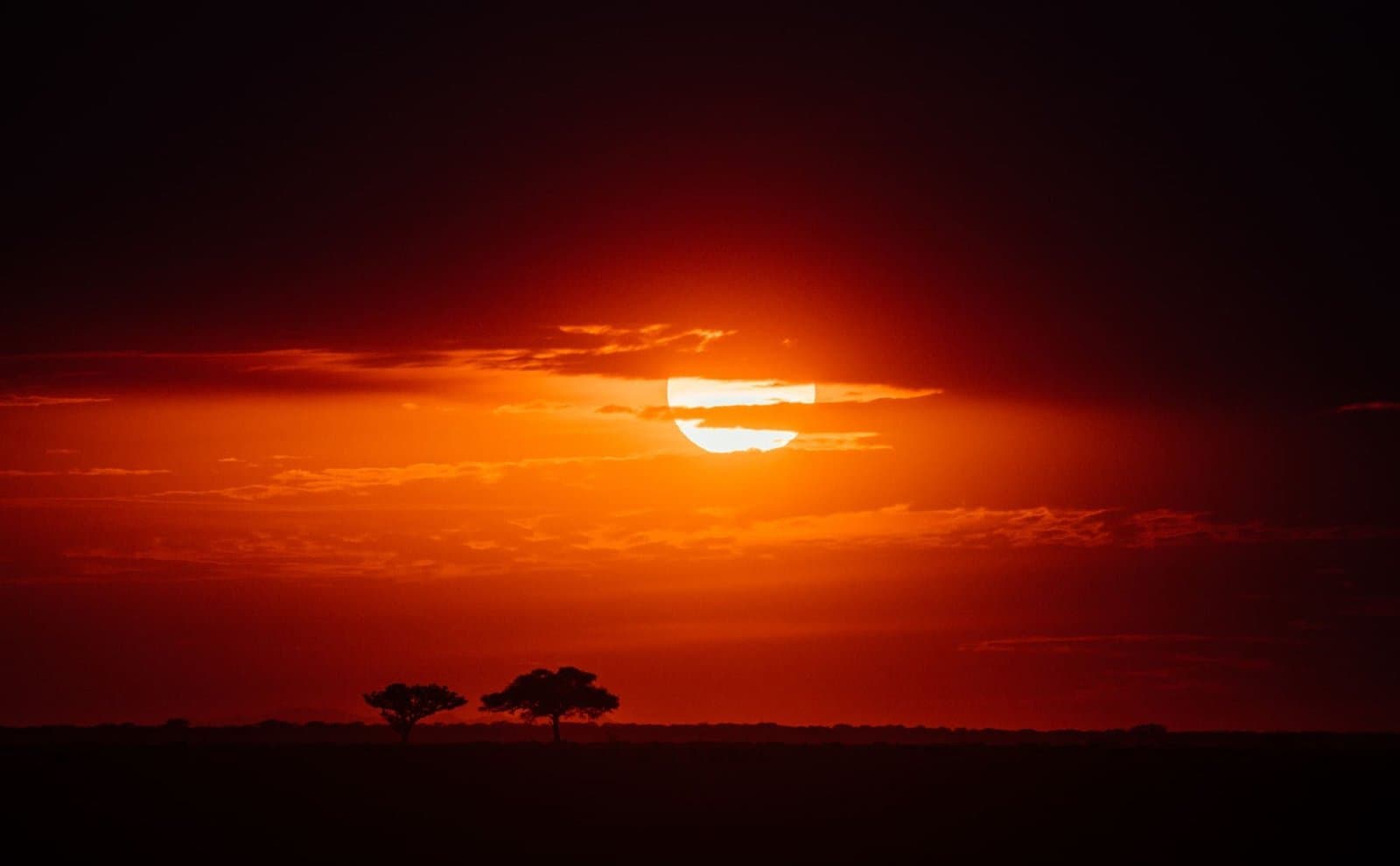

Tanzania
The Great Migration on the Serengeti, Africa's tallest peak, and a spice-scented old town on the Indian Ocean.
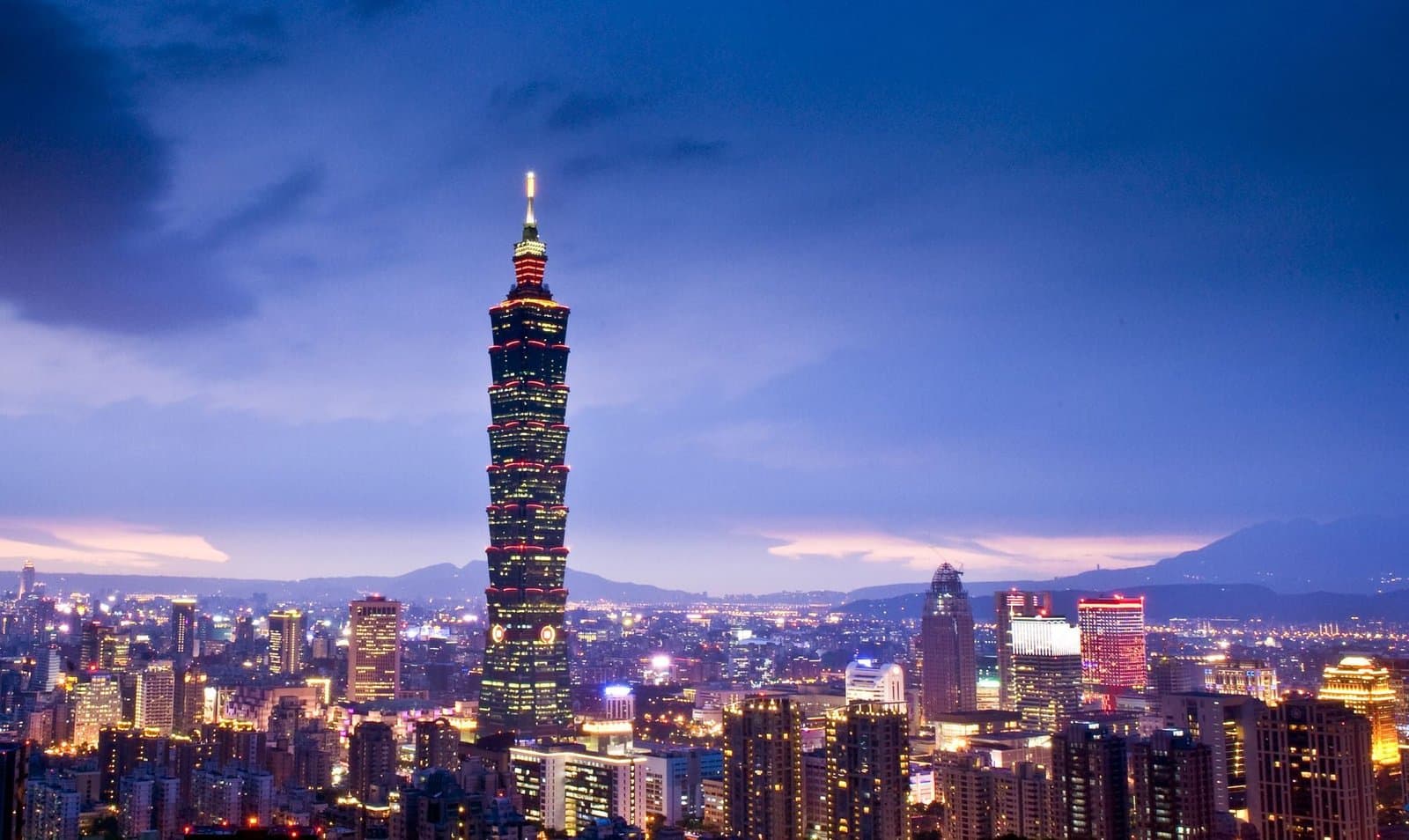

Taiwan
A skyscraper over night markets, a marble-walled gorge, and a lakeside town built around a golden-mining past.
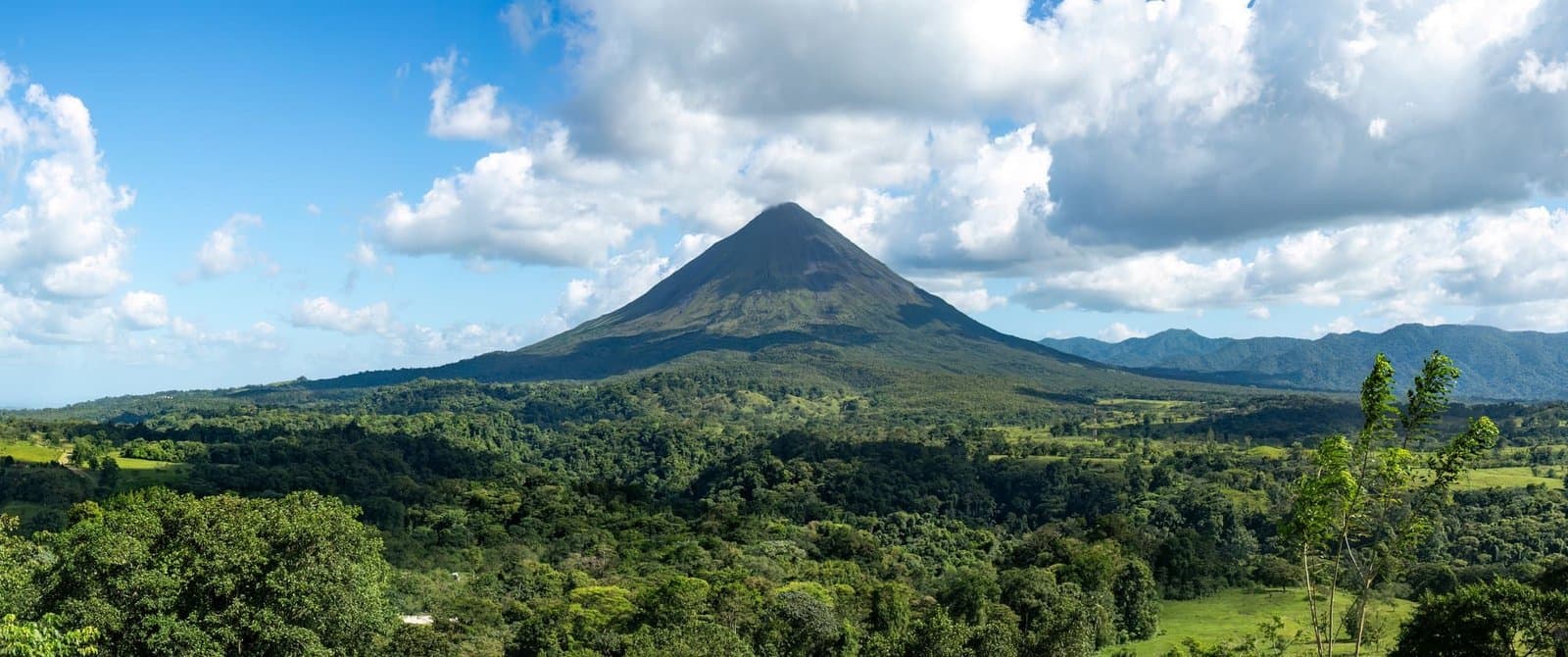
Costa Rica
An active volcano, misty cloud forests, and rainforest canals where sea turtles come ashore to nest.


Colombia
A walled colonial port, street art in a once-notorious hillside, and coffee country's towering wax palms.
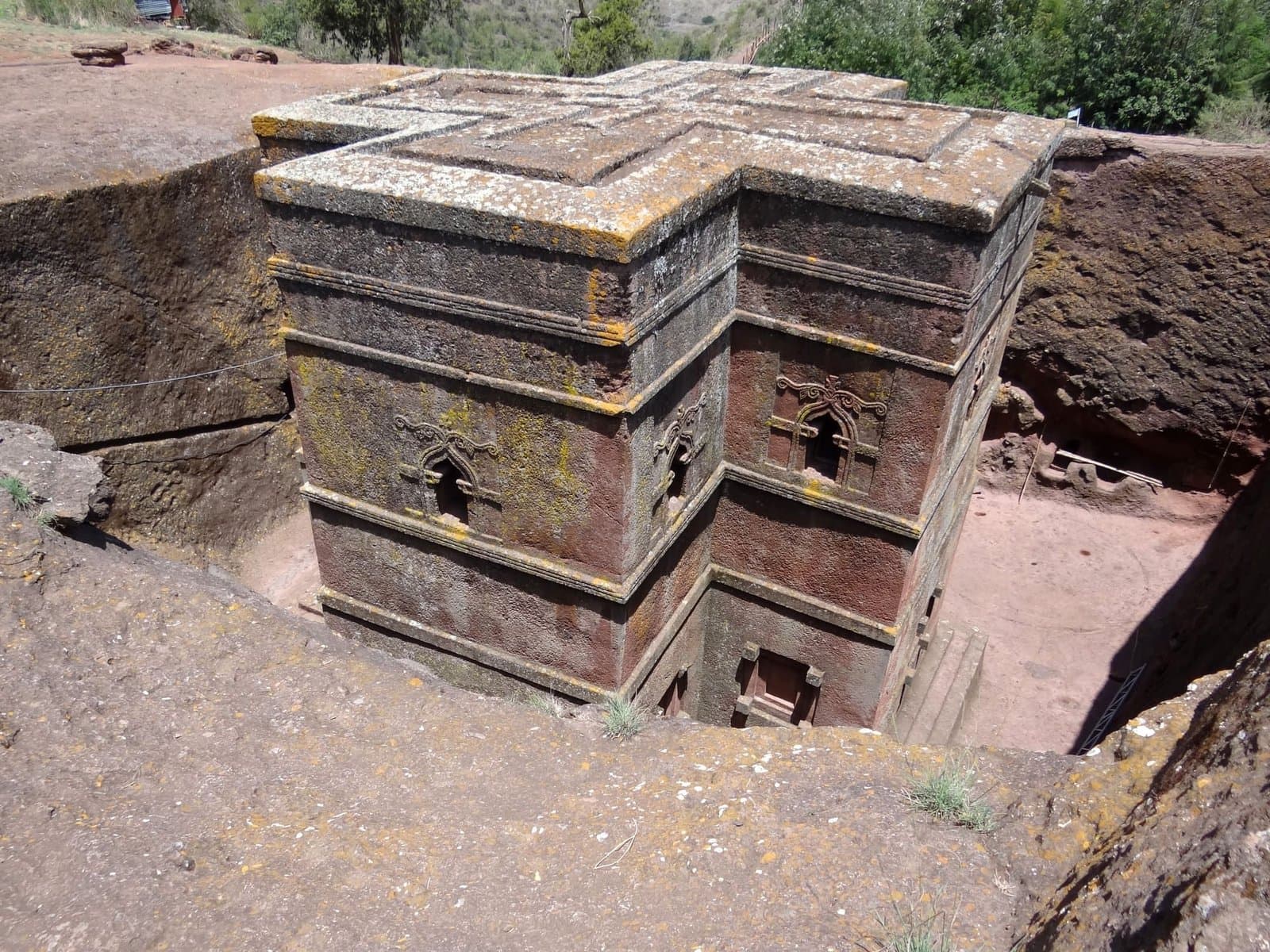

Ethiopia
Medieval churches carved downward into rock, a salt-crusted volcanic depression, and the trekking peaks of the Simien range.

Bhutan
A monastery clinging to a cliff face, a fortress at the meeting of two rivers, and a valley where black-necked cranes winter.
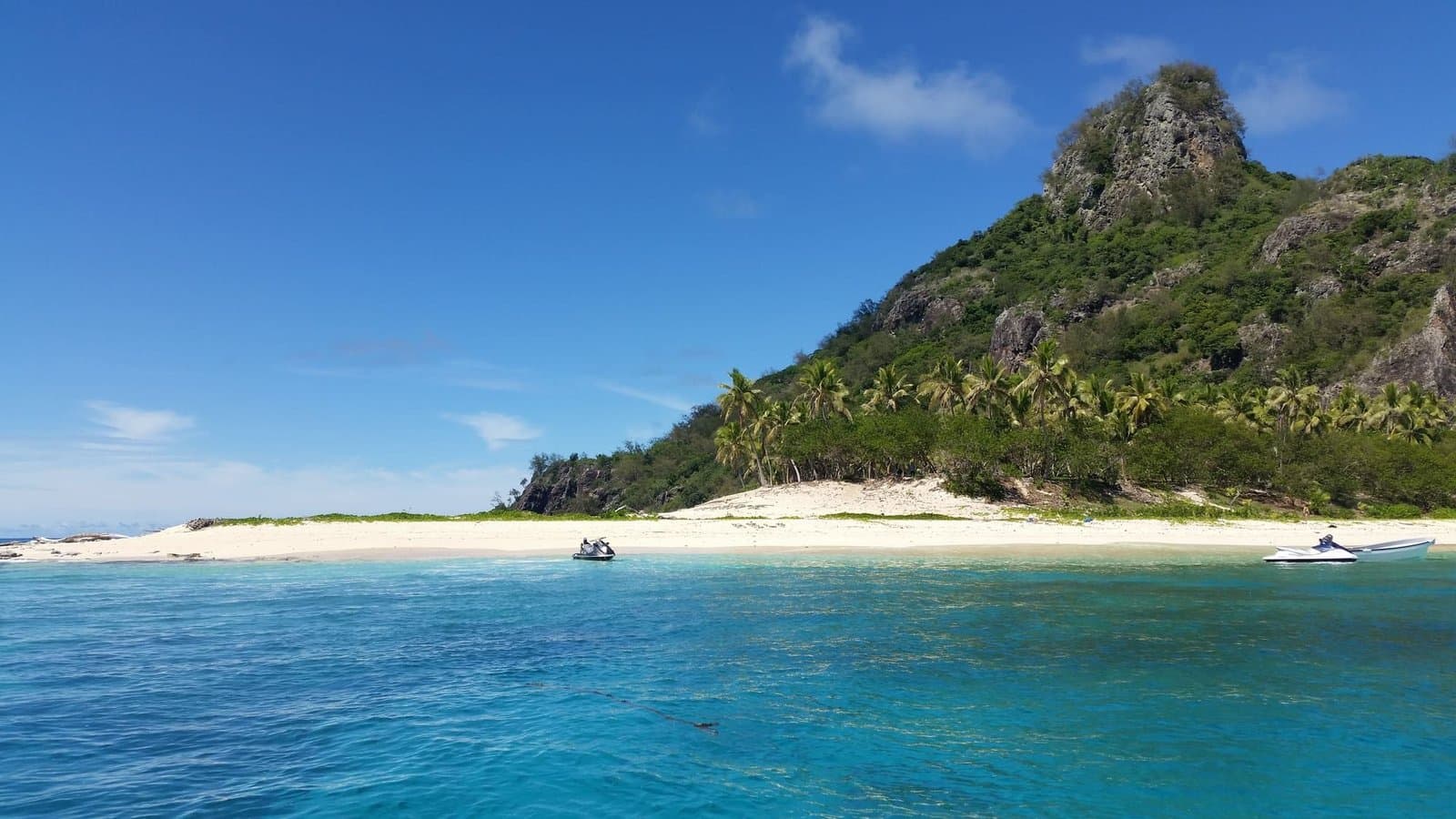
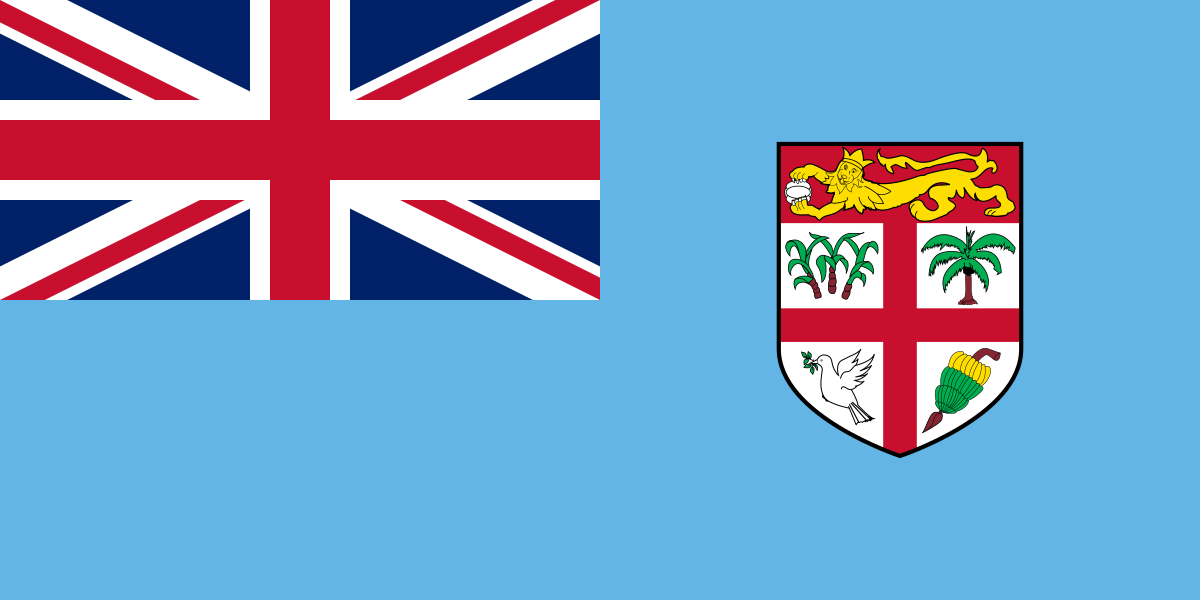
Fiji
Overwater bungalows in the Mamanuca islands, a coastline of reef-fringed resorts, and dunes shaped by trade winds.
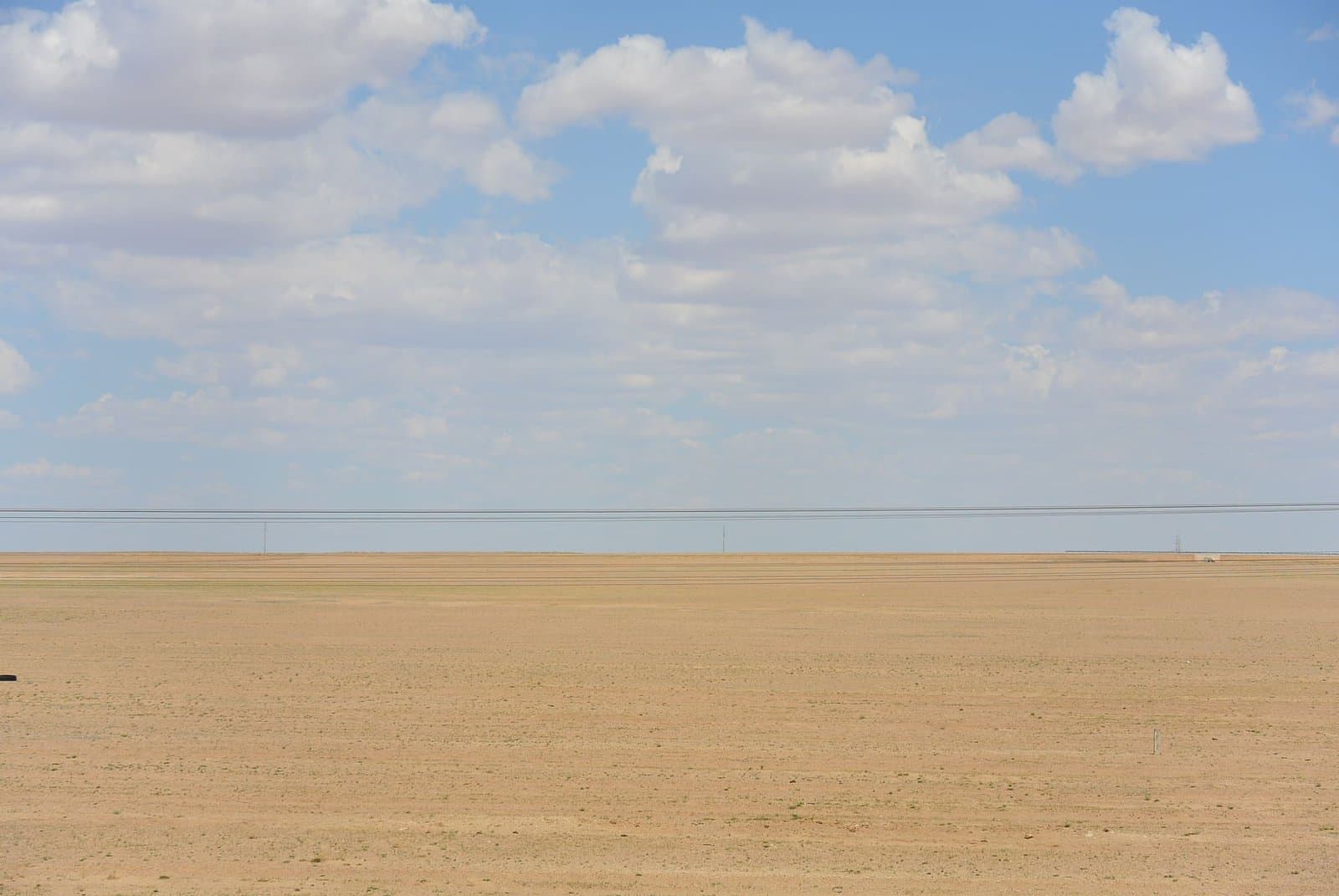
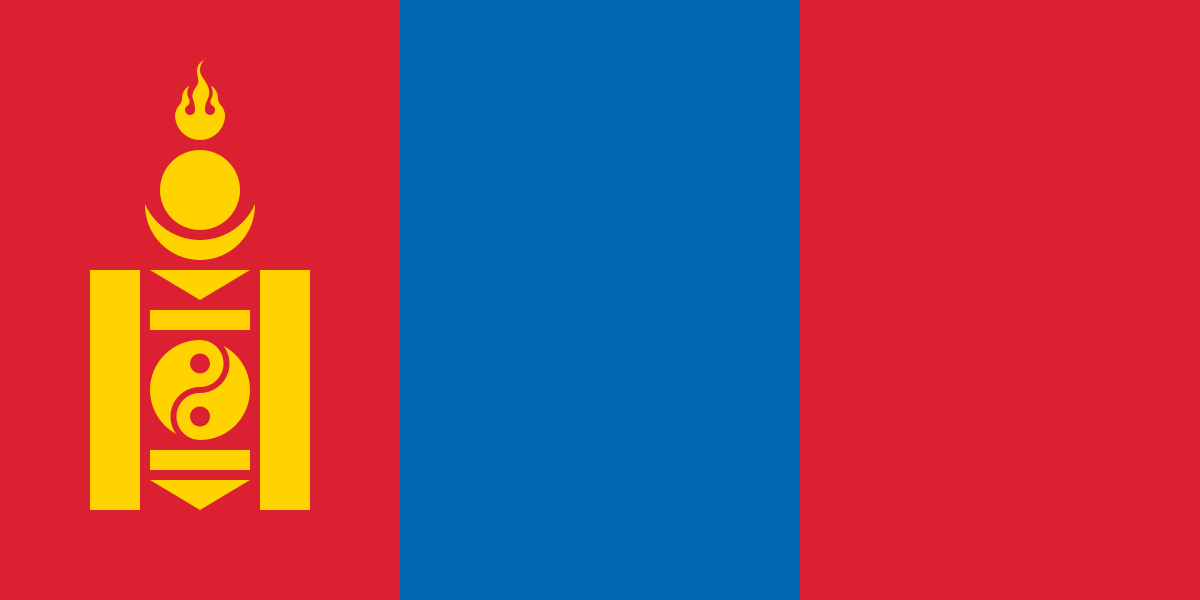
Mongolia
A vast desert of sand and dinosaur fossils, an ancient nomadic capital, and a 40-metre steel Genghis Khan on the steppe.
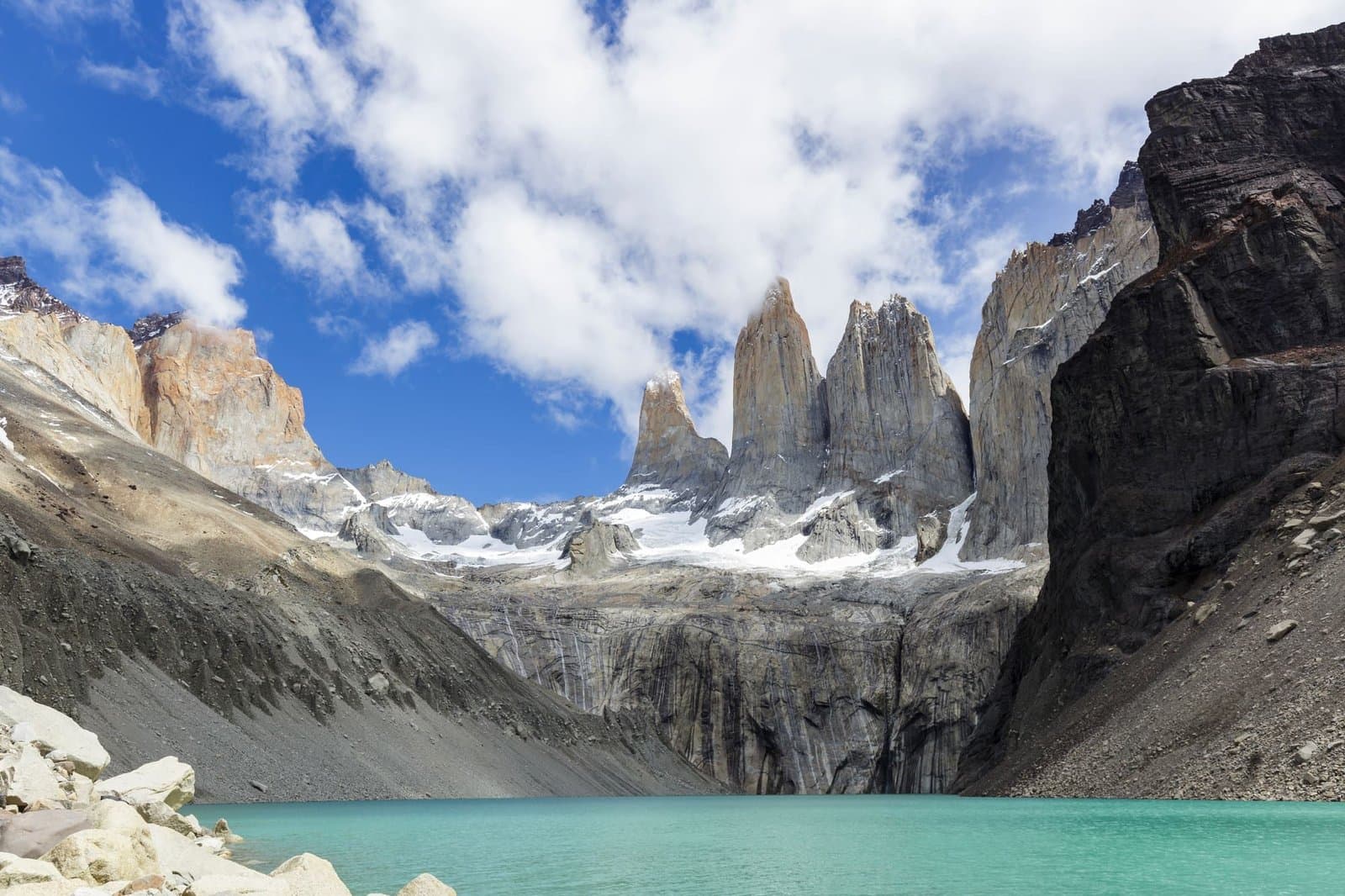

Chile
Granite towers in Patagonia, one of the driest deserts on Earth, and the world's most remote inhabited island.
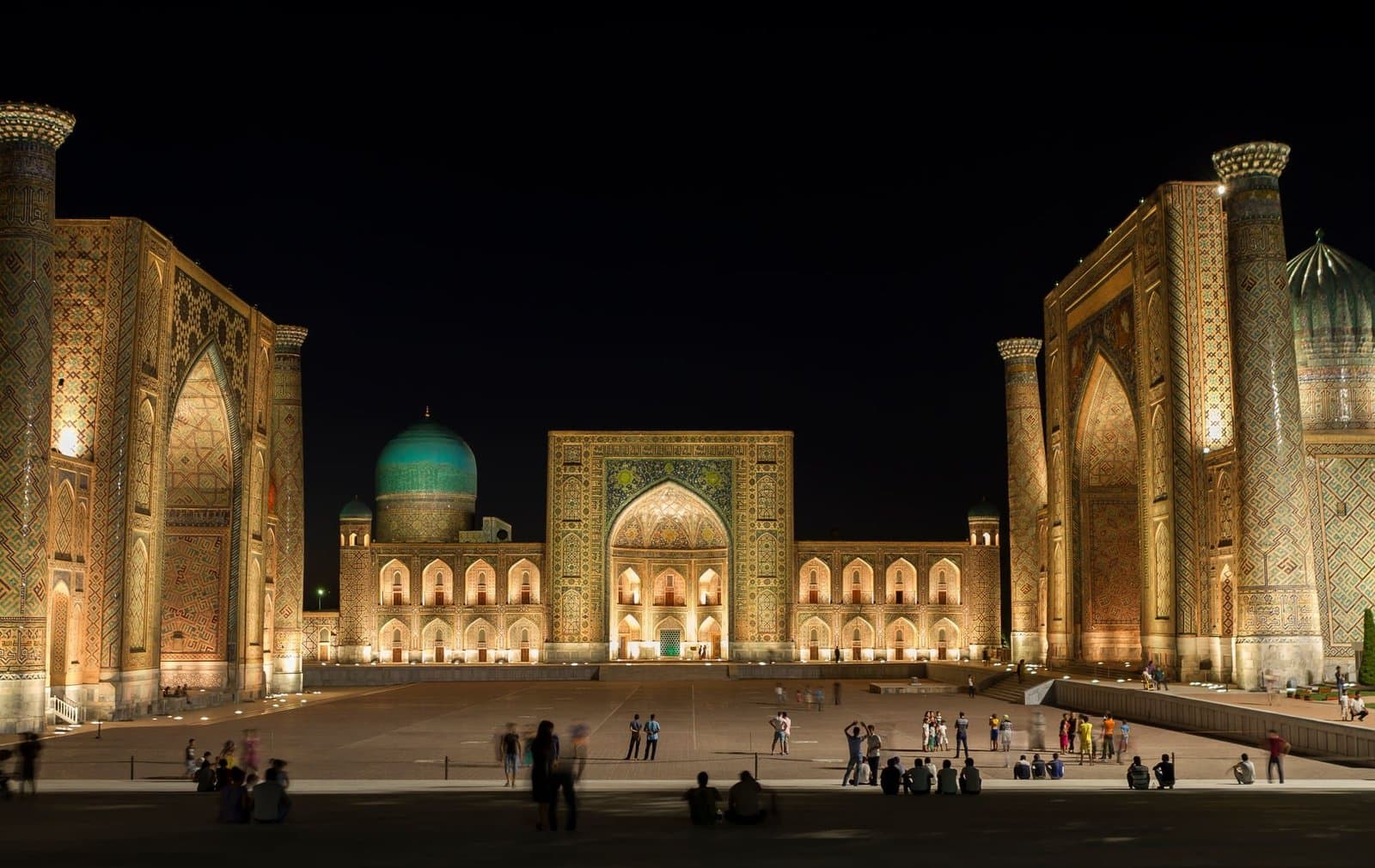
Uzbekistan
The turquoise-tiled heart of the Silk Road, with three ancient cities barely changed in centuries.
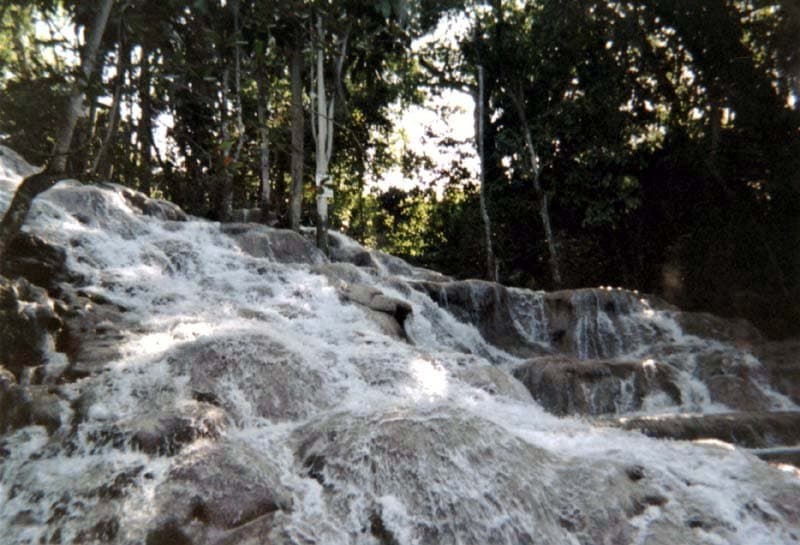
Jamaica
A waterfall you climb rather than watch, misty coffee mountains, and a west coast built for sunsets.
Botswana
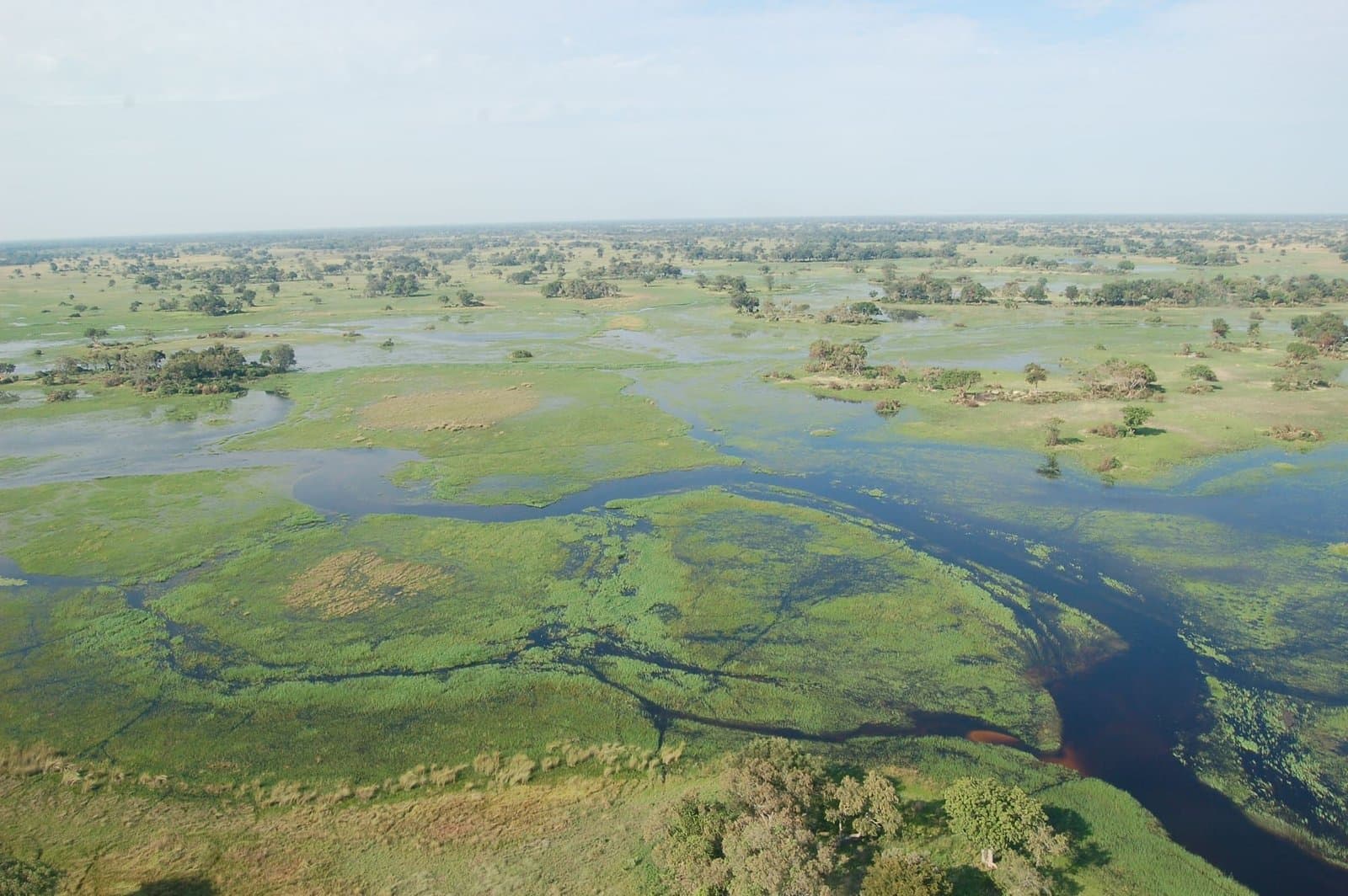
A river delta that floods the desert every year, and some of Africa's least-crowded, highest-value safari country.

Slovenia
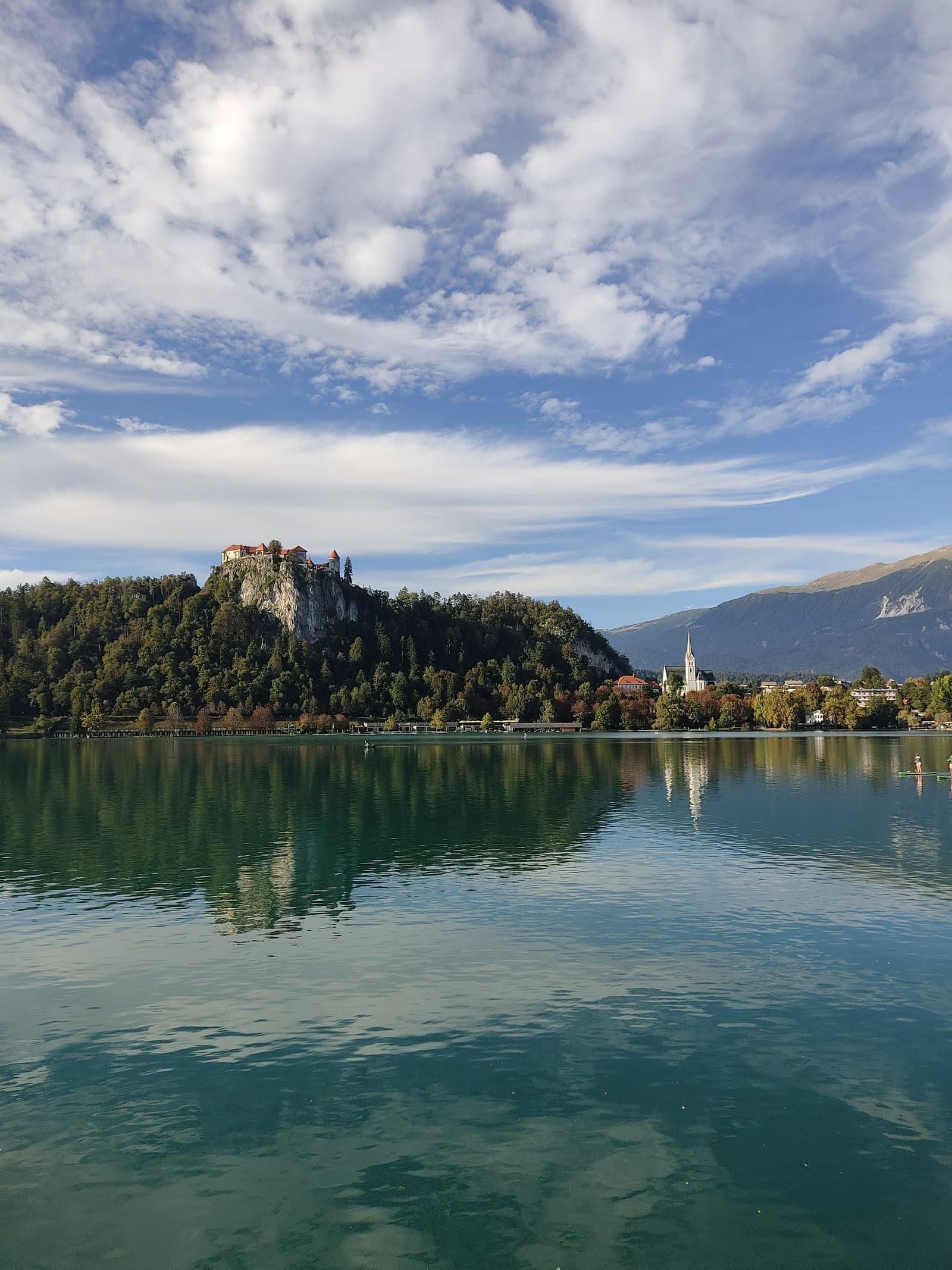
An island church on a glacial lake, a cave system explored by underground train, and a coast squeezed between Italy and Croatia.
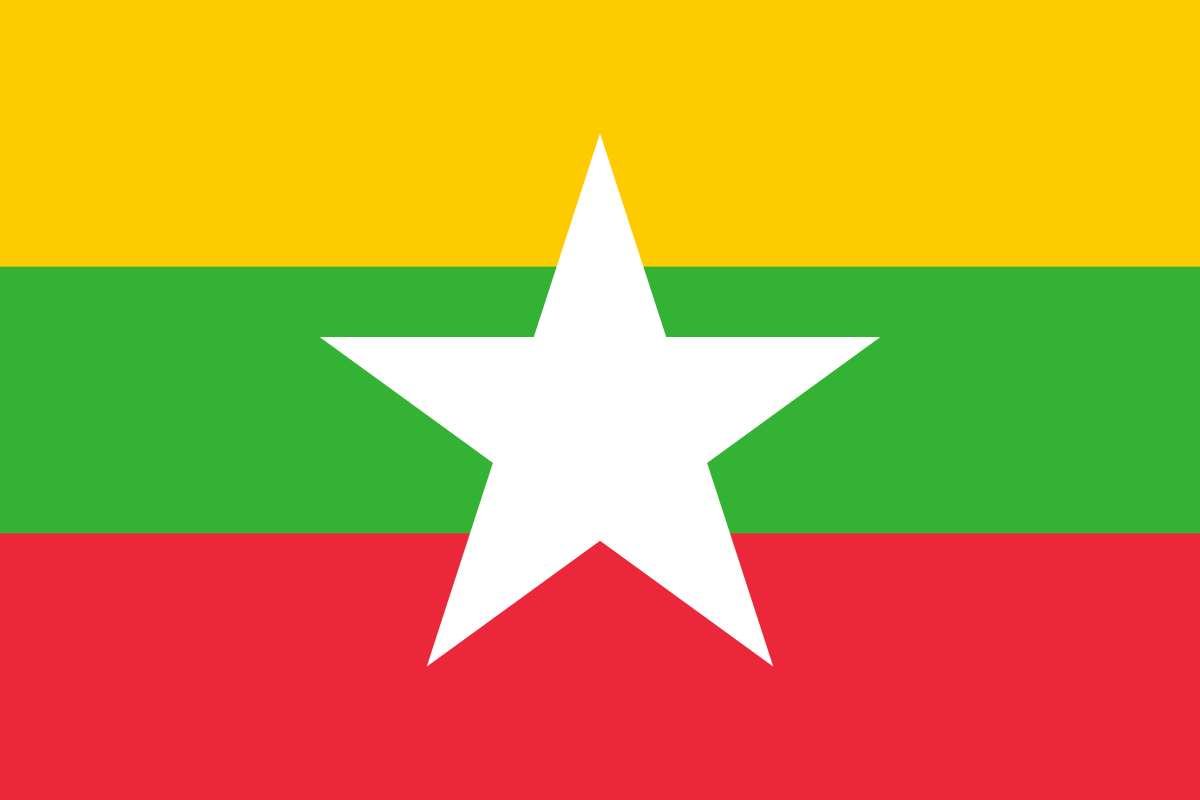
Myanmar
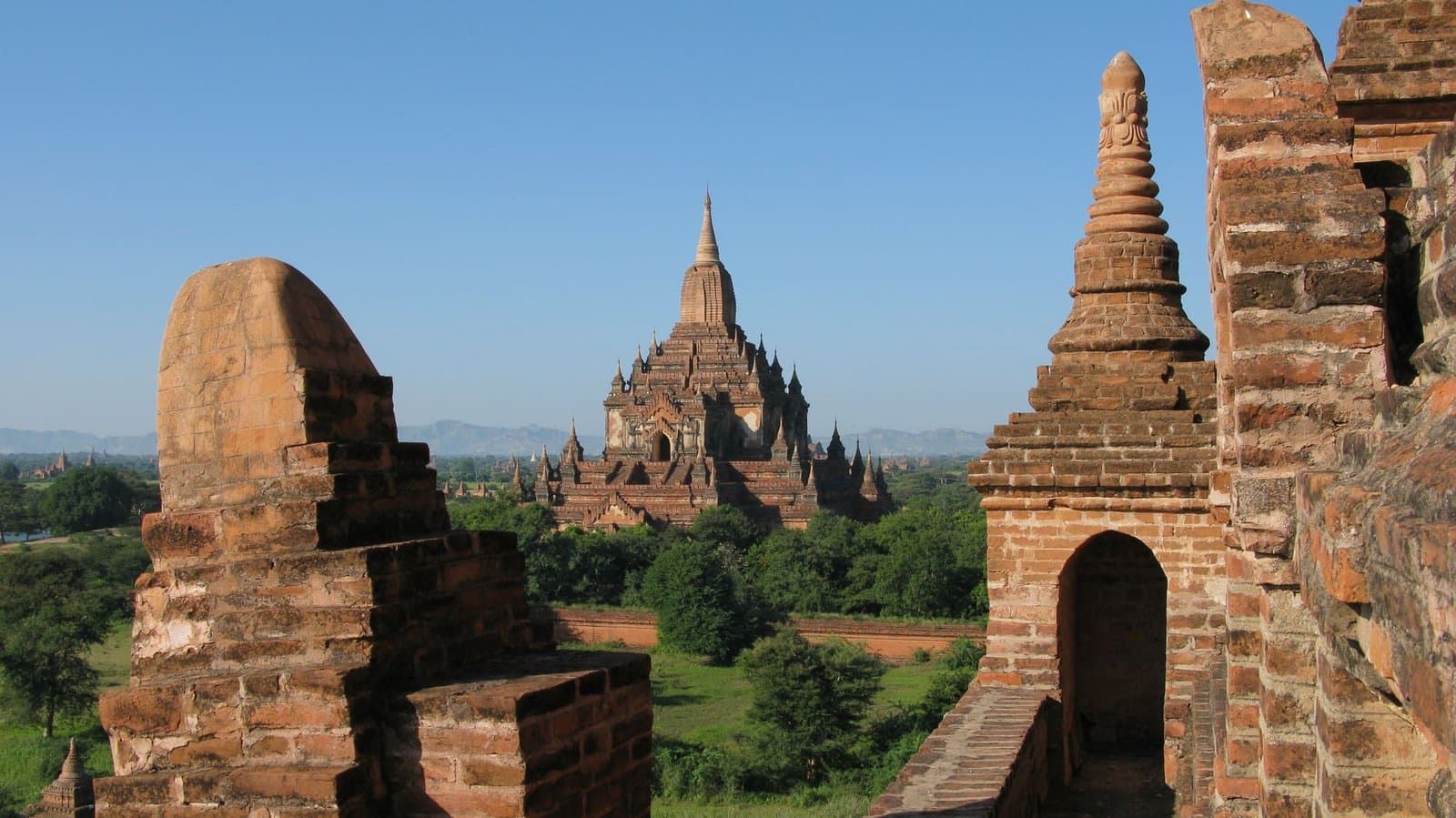
Thousands of ancient temples scattered across a plain, a golden pagoda, and a lake where fishermen row standing up.
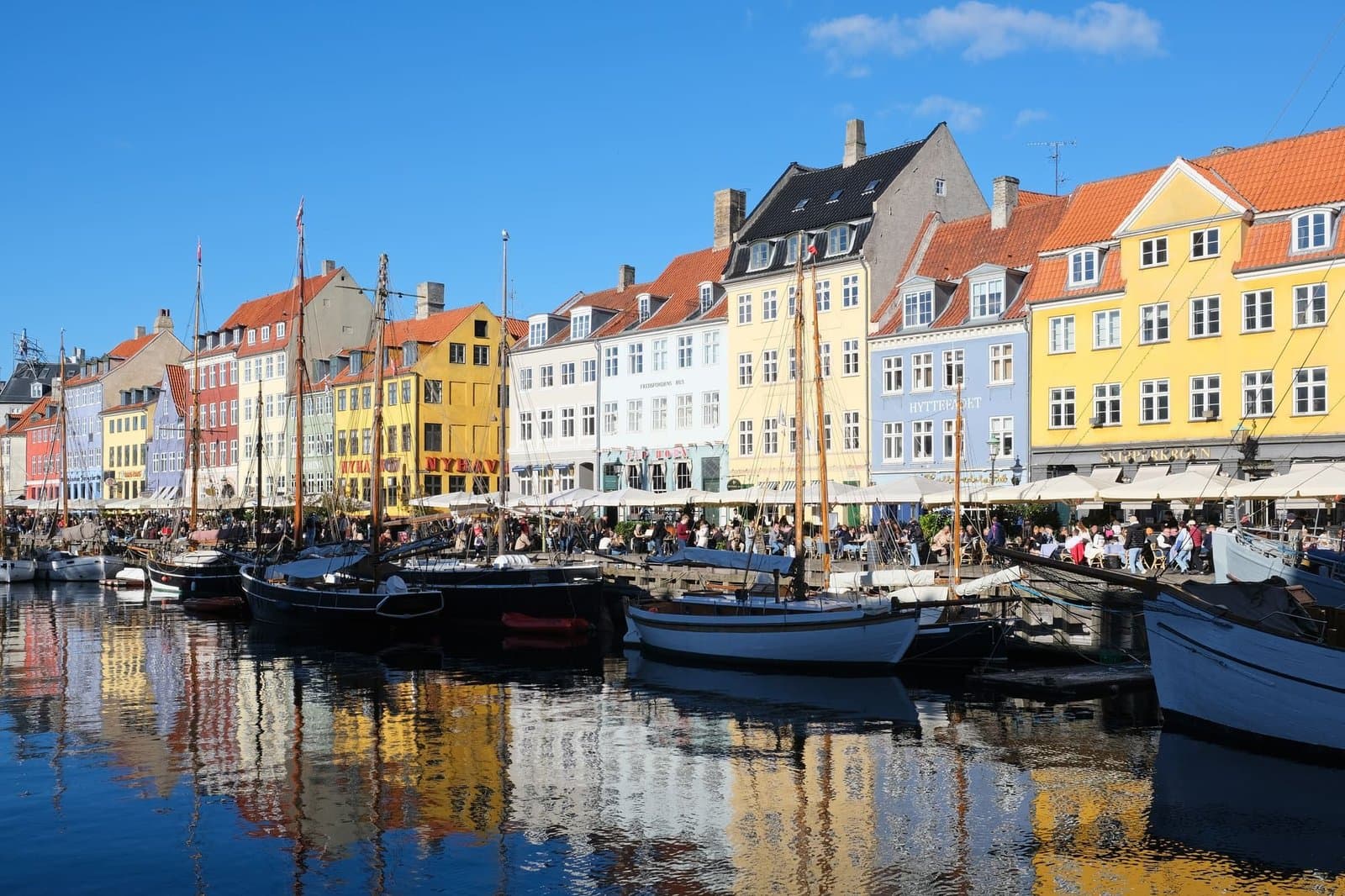

Denmark
A colorful canal front, a Renaissance castle that inspired Hamlet, and the point where two seas collide.
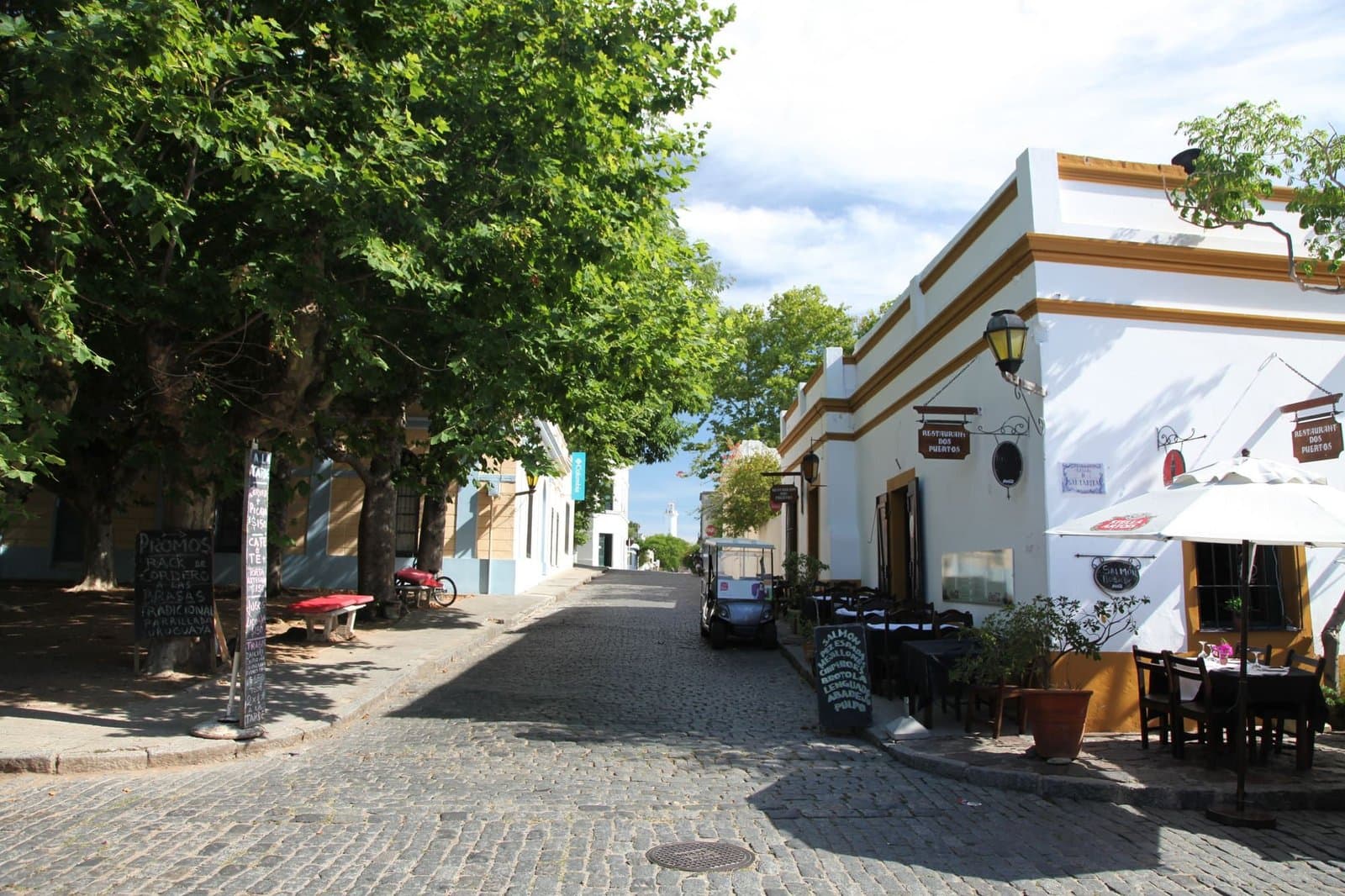
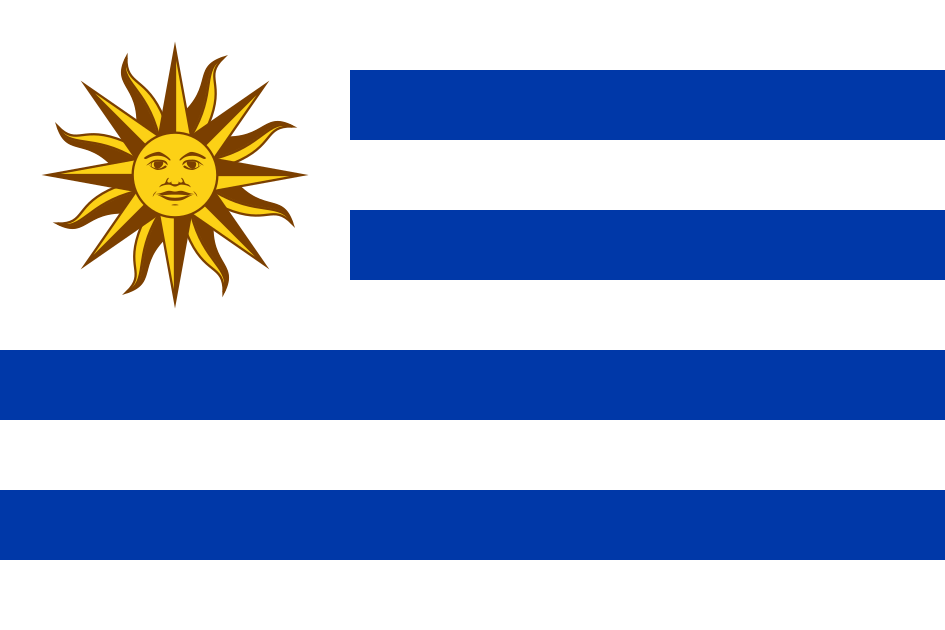
Uruguay
A cobblestone Portuguese-Spanish border town, a jet-set beach resort, and a village with no electric grid.
Ecuador
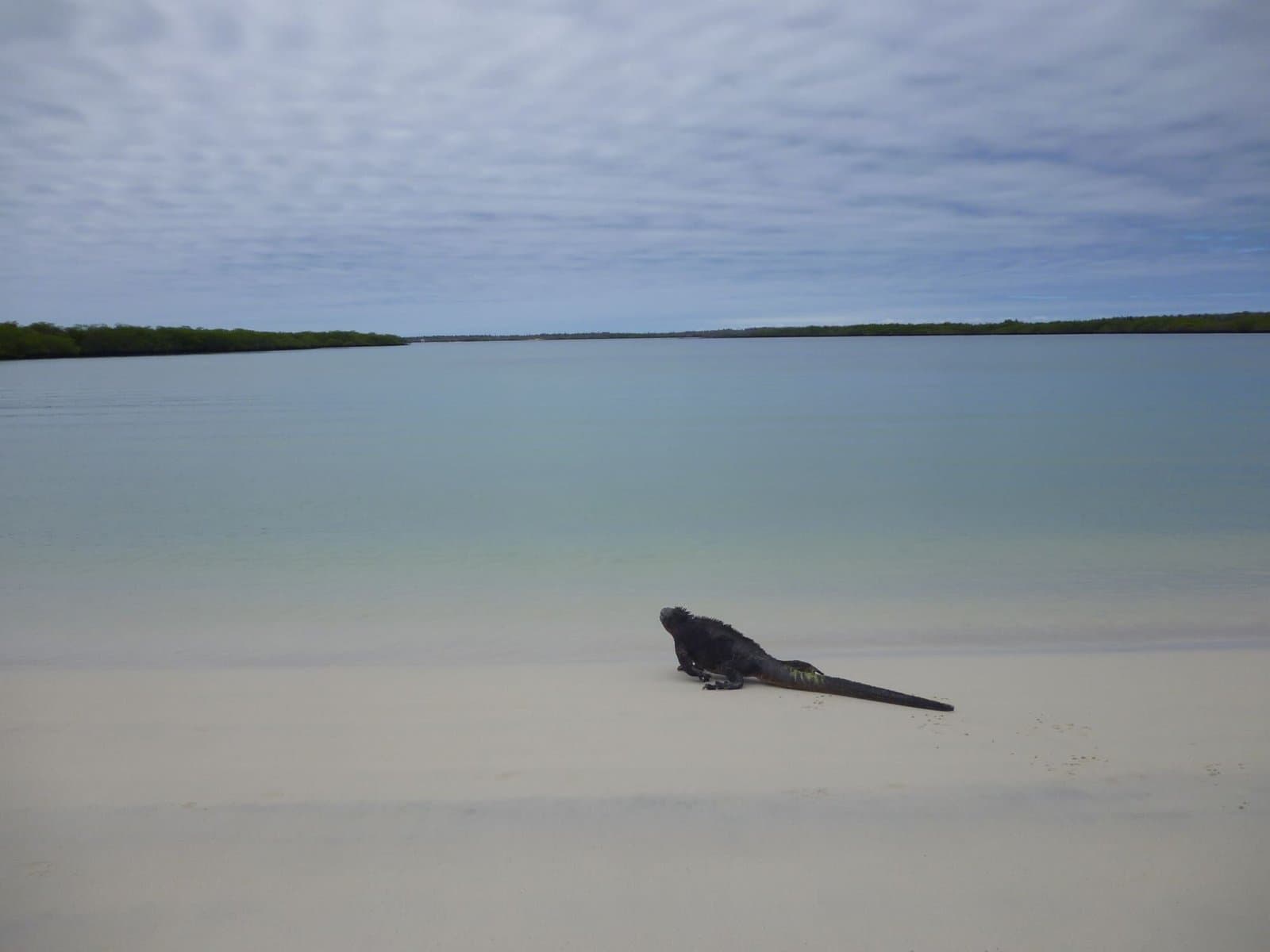
The islands that inspired Darwin, a colonial capital straddling the equator, and a volcano you can walk right up to.
Lebanon
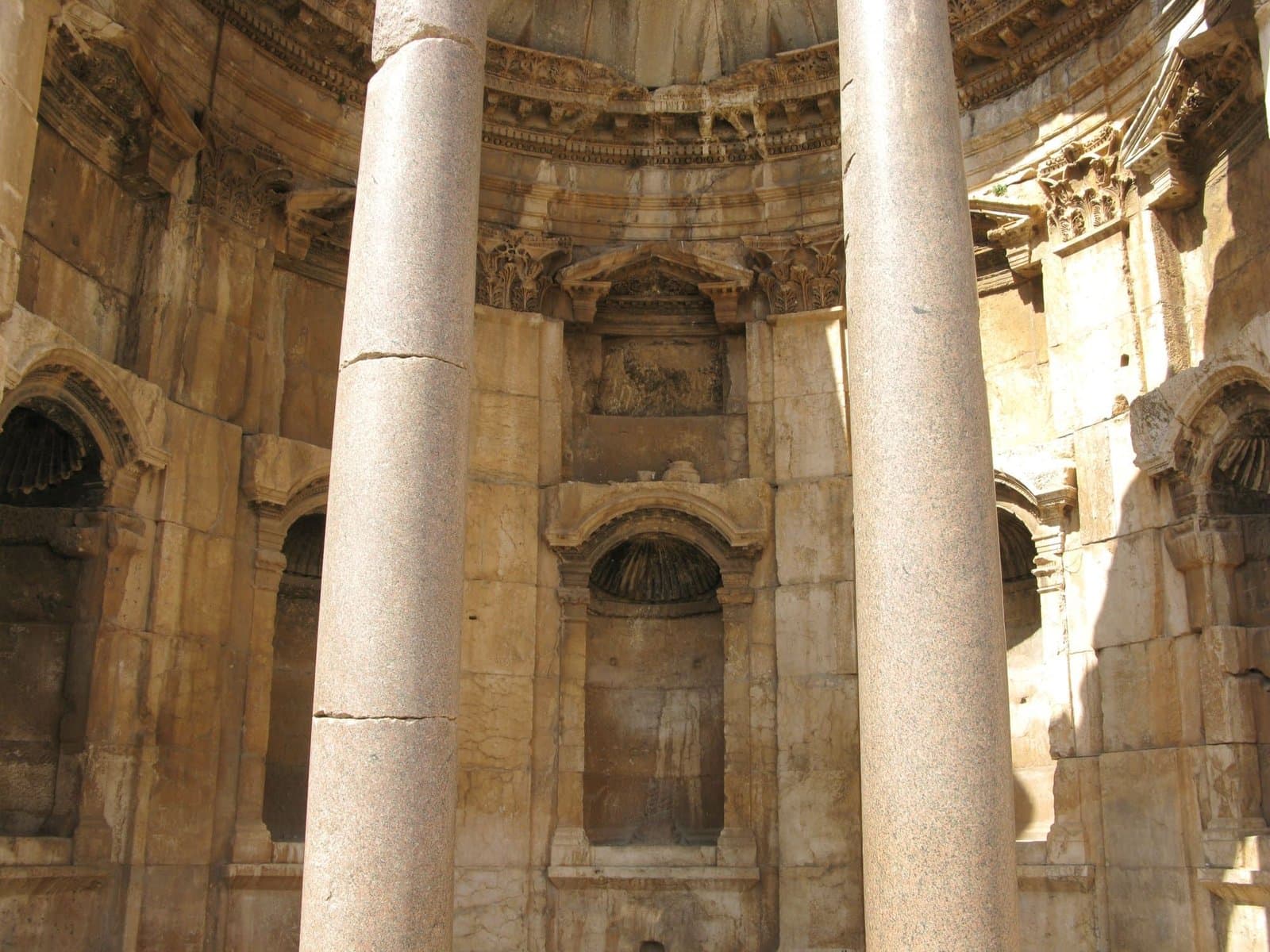
Roman columns taller than most cathedrals, a Phoenician port city, and cedar trees mentioned in the Bible.

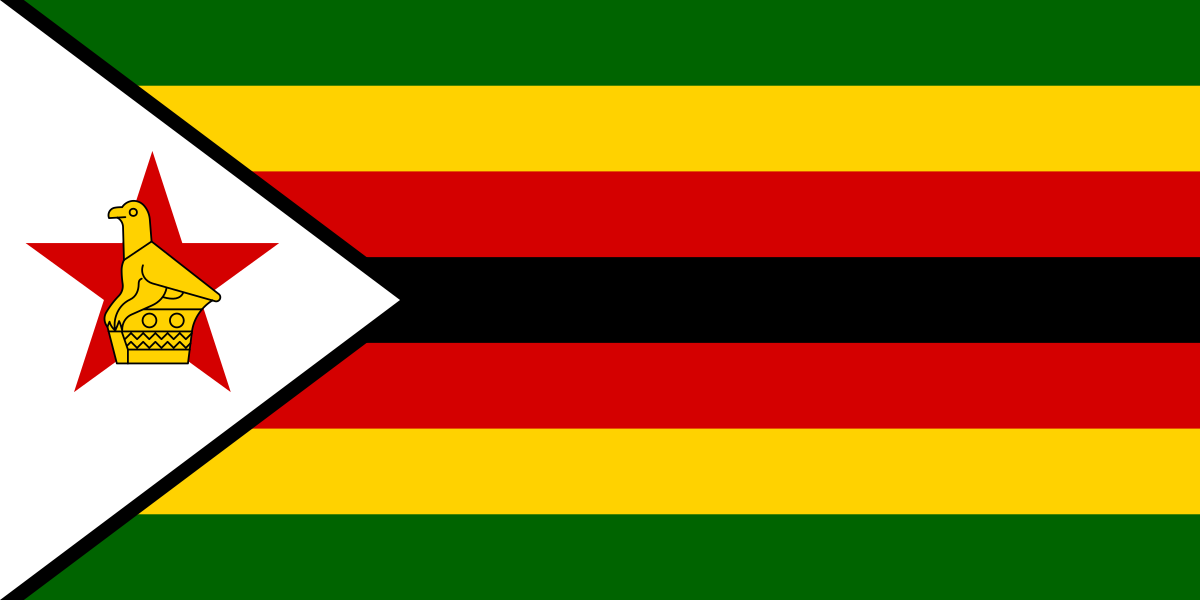
Zimbabwe
One of the world's largest waterfalls, a stone-walled ruined city, and granite hills scattered with ancient rock art.